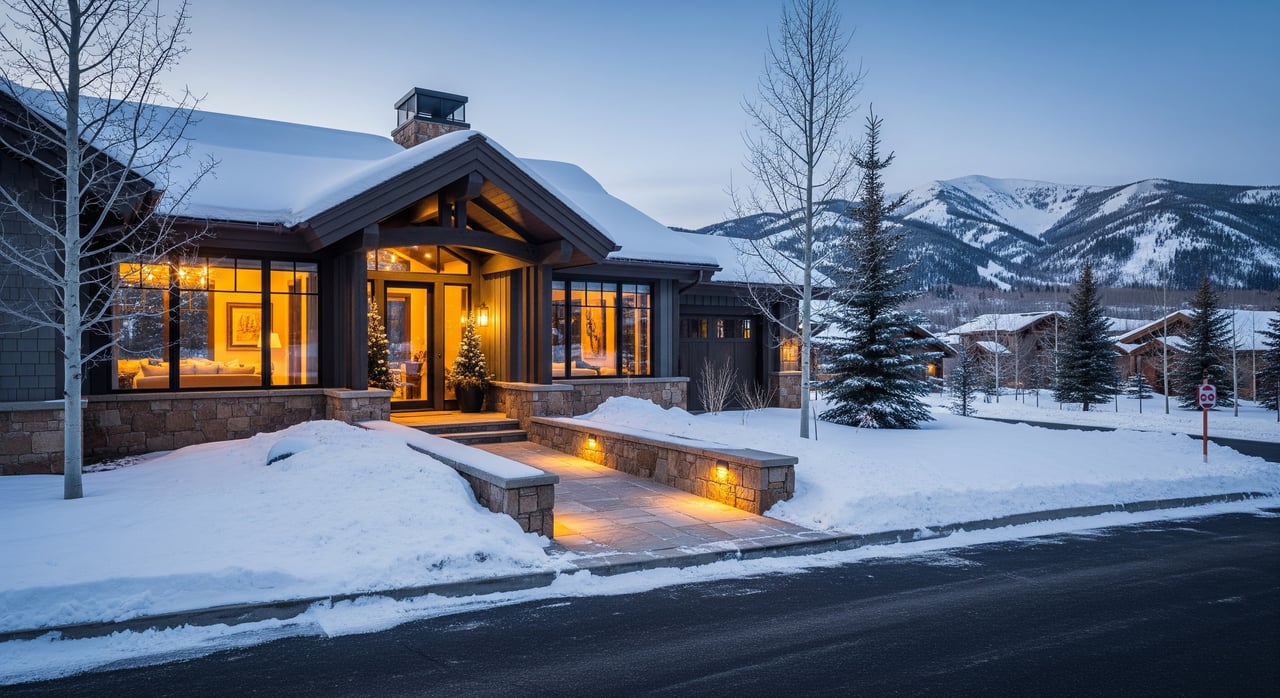
Are you ready for your first real winter in West Steamboat, or looking to avoid last year’s ice dams and frozen pipes? At our elevation, snow comes early, sticks around, and tests every part of your home. With a few smart steps now, you can protect your roof, heating, water systems, and access through spring. Below is a practical, local checklist that leans on trusted guidance and fits how winters work in Steamboat Springs. Let’s dive in.
Why West Steamboat winters stand out
At roughly 6,700 feet, Steamboat Springs sees a long snow season, frequent sub-freezing temperatures, and deep snowpack. National Weather Service forecasts highlight the quick swings you can get here, which means roofs and driveways need a plan before storms arrive. On steeper private driveways and hillside lots, drifting and heavy piles are common. If a major storm knocks out power or closes roads, Routt County Emergency Management is your best resource for alerts and local preparedness steps.
If your property sits near steep slopes or long drive corridors, keep an eye on snow movement. The Colorado Avalanche Information Center shares regional awareness and mapping that can help you understand slope risks in the broader area.
Roof, snow, and ice management
A strong roof plan is your first winter line of defense.
- Schedule a pre-winter inspection to check shingles, flashing, chimney boots, and roof penetrations. Fixing small issues now reduces mid-winter leaks.
- Improve attic insulation and ventilation to reduce heat loss and ice dams. Energy.gov’s guidance on ice-dam prevention explains how sealing and insulation work together.
- Keep a roof rake handy for single-story eaves you can safely reach. For steep or high roofs, hire a professional snow-removal service. Avoid rock salt on shingles and metal.
- If a section repeatedly forms ice dams, consider professionally installed heat cables as a targeted tool. They help manage trouble spots but do not replace proper insulation and air sealing.
Before any major rooftop work, verify permit and licensing requirements with the local building departments. This protects you, the workers, and your home.
Gutters, downspouts, and drainage
Clean gutters and downspouts before freeze-up so meltwater flows off the roof instead of backing up into eaves. Add downspout extensions to push water away from the foundation. Check grading and exterior drains, and keep entries clear so refreezing runoff does not create ice sheets by your doors.
Heat, chimneys, and indoor air safety
Service your heating system before the first hard freeze. A licensed HVAC tech should check furnaces, boilers, or heat pumps, and verify fuel arrangements if you use propane or oil. If you burn wood or pellets, have a chimney sweep inspect and clean the flue each year. The NFPA’s heating safety education and National Fireplace Institute resources are good references for best practices.
Replace HVAC filters regularly and confirm you have an adequate combustion air supply. Install and test carbon monoxide and smoke detectors on every level and near sleeping areas. The CDC’s carbon monoxide guidance explains placement and testing, and why generator safety matters during outages.
Plumbing, wells, and septic systems
Frozen pipes are preventable with a few simple steps.
- Insulate exposed pipes in crawlspaces, garages, and exterior walls. Keep indoor temperatures steady, and during extreme cold, allow a slow drip on vulnerable fixtures.
- Open cabinet doors under sinks on outside walls so warm air can circulate. For lines that repeatedly freeze, consider listed heat cables installed by a licensed pro.
- If you have a private well, protect the wellhead and exposed piping, and know how to shut off pump power during outages. For specific winterizing tips on wells and septic systems, check Colorado State University Extension.
- Do not park heavy equipment on drain fields. Conserve water during deep freezes so the septic system is not overloaded. Verify your septic maintenance schedule before winter.
Doors, windows, insulation, and ventilation
Weatherstrip doors and windows and replace failing caulk to cut drafts. Check attic insulation depth and distribution, then add insulation where performance is poor. Proper insulation lowers heating costs and reduces ice-dam risk. In crawlspaces, confirm insulation and vapor control are appropriate so pipes do not freeze and moisture stays in check.
Driveways, walkways, and snow removal
Create a plan for your driveway and entry paths before the first big storm.
- Clarify sidewalk and driveway clearing rules with the city or your HOA, including timing and snow storage locations.
- For traction, sand or grit is less corrosive than rock salt, though it requires more cleanup. Choose de-icing products labeled safe for vegetation and concrete, and follow directions closely.
- Plan snow storage so piles do not block sightlines, doors, or garage access, and so meltwater does not refreeze across walkways or flow toward the foundation.
If your driveway is long or steep, secure a plow contractor early, and identify a backup option in case of extended storms.
Trees, decks, and outdoor structures
Trim dead or weak limbs that could fail under heavy snow and ice. For larger trees, hire a certified arborist. Inspect decks, stairs, and railings, reinforce where needed, and clear snow from walking surfaces promptly. Use non-corrosive traction treatments on frequently used steps.
Safety, outages, and insurance
- Create a backup power plan. If you use a standby or portable generator, follow manufacturer guidelines and local code for safe installation and operation. Keep generators outside and away from windows and vents to prevent carbon monoxide.
- Stock an emergency kit with water, nonperishable food, flashlights, batteries, chargers, blankets, and medications. Follow Routt County Emergency Management guidance for local alerts, closures, and shelter information.
- Watch for winter air-quality advisories, especially if you burn wood. The Colorado Department of Public Health and Environment shares current advisories and restrictions.
- Consider a radon test during winter when homes are closed up. The EPA’s radon guide outlines how to test and what to do if levels are elevated.
- Review your homeowners insurance for winter-storm coverage, including roof collapse, frozen pipes, and sewer backup endorsements. Document pre-winter conditions with photos, and save receipts for maintenance. Insurers expect reasonable mitigation, such as maintaining heat or shutting off water if a home is vacant.
Seasonal checklist for West Steamboat
Late summer to early fall (Aug–Oct)
- Service heating systems and schedule a chimney sweep.
- Inspect the roof and repair flashing, shingles, and penetrations.
- Improve attic insulation and air sealing where needed.
- Trim trees near structures and driveways.
- Schedule propane or oil deliveries and test detector batteries.
- Blow out sprinkler systems and protect backflow preventers.
Before the first freeze (Oct–Nov)
- Clean gutters and downspouts and add downspout extensions.
- Stage roof rakes and line up a roof snow-removal pro.
- Stock low-corrosive ice melt or sand, and assemble emergency kits for home and car.
- Insulate exposed pipes and install listed heat cables if needed.
Mid-winter (Dec–Feb)
- Monitor roof snow depth and ice dams, and remove excess snow safely.
- Test CO and smoke detectors monthly.
- Keep a slow drip at vulnerable fixtures during extreme cold.
- Notify a neighbor or HOA if you will be away for an extended period, and consider shutting off water with a full drain-down if recommended by your plumber.
Spring melt (Mar–Apr)
- Inspect the roof, attic, ceilings, and exterior for leaks or ice-dam damage.
- Clean gutters and downspouts again after ice clears.
- Assess grading, decks, and stairs for frost heave or wood damage and schedule repairs.
Taking these steps early helps you avoid mid-season emergencies, protects property value, and keeps everyday life smoother through the long Routt County winter. If you are weighing pre-listing repairs, new-home due diligence, or which winter projects add the most value, let’s talk.
Ready to prepare your West Steamboat home with a clear plan tailored to your property? Schedule a free consultation with Unknown Company and get local, practical guidance for a smooth winter.
FAQs
How much roof snow is too much in West Steamboat?
- Safe loads depend on your roof design and local code ratings. If you see deep, sustained accumulations or interior cracking, call a structural roofer or engineer and arrange professional snow removal.
What is the best way to prevent ice dams on my home?
- Improve attic insulation and air sealing, maintain proper ventilation, and remove snow near eaves when safe. Targeted heat cables can help in recurring trouble spots, but they do not replace insulation work. See Energy.gov’s ice-dam guidance.
Which de-icer should I use on a mountain driveway?
- Sand or grit improves traction and is less corrosive than rock salt. If you use a chemical de-icer, choose a product labeled safe for vegetation and concrete and follow directions to avoid damage.
Will gutter heat cables harm shingles or gutters?
- Properly installed, listed heat cables are compatible with most gutters and shingles. Use qualified installers and follow manufacturer instructions to avoid electrical or material damage.
How do I avoid frozen pipes if I am away?
- Keep heat on at a consistent temperature, open cabinet doors under sinks on exterior walls, and allow a slow drip at vulnerable fixtures during severe cold. For longer trips, ask a licensed plumber about shutting off and draining the system.
Are there burn restrictions or air alerts in winter?
- Yes, winter inversions can trigger advisories. Check current notices from the Colorado Department of Public Health and Environment before burning wood.
Do I need to test for radon in West Steamboat?
- Many mountain homes test for radon, and winter is a good time because homes are closed up. Follow the EPA’s radon testing recommendations.
Where can I find local emergency and outage updates?
- For storm impacts, closures, and preparedness tips, follow Routt County Emergency Management. For weather, use National Weather Service forecasts.