Staring at fresh powder is exciting until you realize your car is parked on a snow route. If you live, work, or plan to visit downtown Steamboat Springs this winter, knowing how snow routes and parking work can save you time, stress, and money. You want to enjoy town, not hunt for your vehicle in an impound lot. In this guide, you’ll learn how snow emergencies operate, where to park downtown in winter, and simple steps to avoid tickets or towing. Let’s dive in.
Why snow routes matter
Snow routes keep priority streets clear for plows and emergency vehicles. When routes are open, crews can move quickly, businesses stay accessible, and the city returns to normal faster after storms. In downtown’s narrower corridors, even one car left too long can slow the whole operation. Understanding the rules helps you and your neighbors stay safe and mobile.
How snow emergencies work
A snow emergency may be declared when conditions require active snow removal. It can be triggered by a specific snowfall, hazardous conditions, or an official declaration by the city. During a snow emergency, parking on signed snow routes is typically prohibited until crews finish clearing. Vehicles left in violation may be ticketed or towed to restore access.
Where to check rules
Always verify current rules with official city sources before you park. Look for the City of Steamboat Springs Public Works or Streets and Parking pages for the latest snow route maps and updates. Check how the city announces snow emergencies, such as website notices, text or email alerts, and official social channels. For regional travel, review CDOT highway advisories and road conditions before driving into town.
Downtown winter parking basics
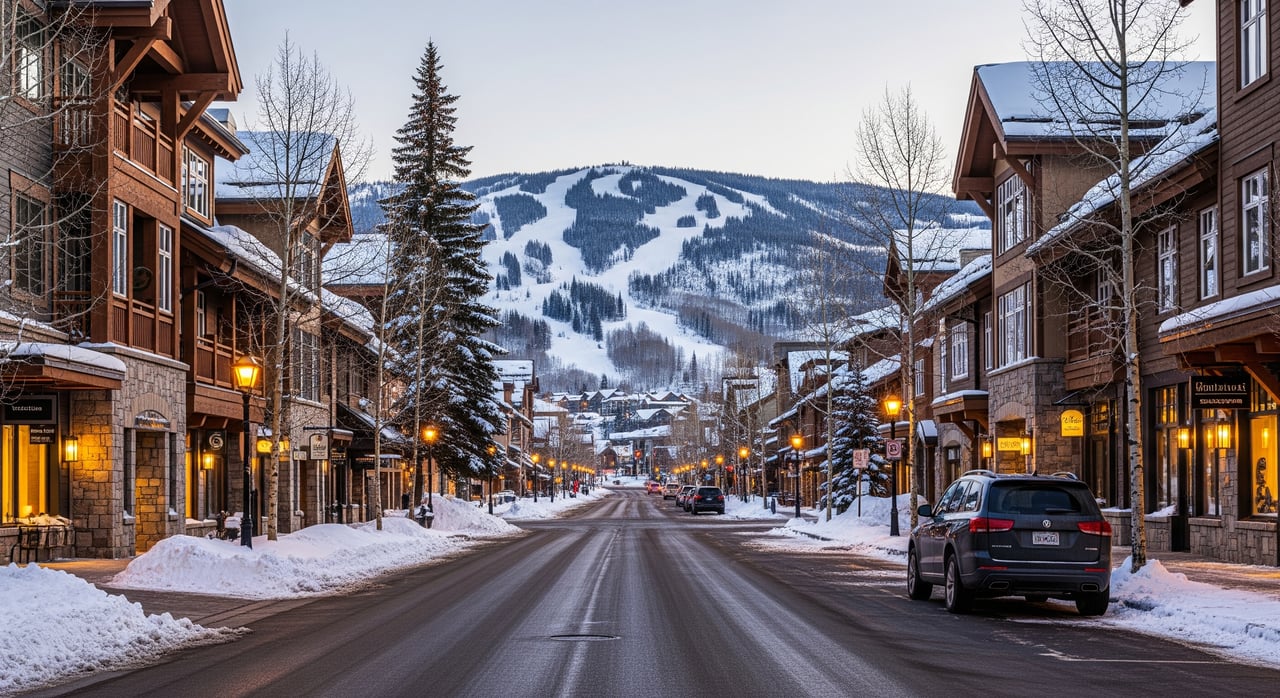
Downtown offers a mix of on-street spaces, municipal lots, and private lots with customer-only rules. In winter, snow storage and active plowing can reduce space availability, especially after large storms. Time limits and meter rules may still apply even when a snow emergency is not in effect. Read posted signs closely and look for temporary winter notices.
On-street snow routes
Signed snow routes have the most restrictive rules during active plowing. Even if a space is usually time-limited, snow route restrictions override normal hours during a declared operation. When in doubt, choose a municipal lot or a non-route street that is clearly open and signed for parking.
Municipal lots and garages
City lots can offer safer choices during storms and may be prioritized for short-term downtown access. Confirm whether overnight parking is permitted and if any lots are used for temporary snow storage. If a lot is posted as closed for snow hauling or plowing, find another city lot or use transit.
Private and shared lots
Many downtown private lots are for customers only and may tow unauthorized vehicles. Rules can change in winter if a portion of the lot is reserved for snow storage. Read posted signs and do not assume overnight parking is allowed.
Residential and permits
Some neighborhoods use permit or zone rules that affect overnight parking and snow removal. If you rent or own near downtown, review your property’s parking plan before the season starts. Coordinate with neighbors or your landlord to keep spaces open when plows are scheduled.
Loading and ADA spaces
Loading zones must remain clear for deliveries and service vehicles. ADA spaces are enforced year-round and must remain accessible, including access aisles next to the space. Avoid piling snow near curb ramps and ADA routes to keep sidewalks passable.
Enforcement and towing basics
Parking enforcement officers and police may ticket and tow vehicles that block plows or violate snow route rules. If a snow emergency is declared, crews need streets cleared quickly to operate safely. Fines and tow fees vary and can change, so review the city’s current procedures for paying or contesting a citation. If your car is towed, the police or the city’s towing information will guide you on how to locate and recover your vehicle.
Actions before a storm
- Save the city’s official snow route map and keep it handy on your phone.
- Sign up for city alerts and follow official social channels for storm updates.
- Identify backup parking options in municipal lots when on-street spaces close.
- Check CDOT advisories if you are driving in from out of town.
Tips for homeowners and sellers
- Keep sidewalks and front walkways clear to maintain safe pedestrian access; confirm local rules for timing and snow storage.
- Plan driveway and curbside parking rotations so plows can clear in one pass.
- For open houses or showings, give guests clear directions to permitted lots and legal curb spaces. Consider shifting showing times around active plowing.
Tips for visitors and buyers
- Use municipal lots or verified public parking rather than guessing on-street rules during storms.
- When snow is forecast, arrive early to secure legal parking and avoid rushed decisions.
- Take transit, a resort shuttle, or rideshare on heavy snow days to skip parking constraints.
- Equip vehicles with proper tires and carry winter basics like a scraper and gloves.
If you get ticketed or towed
- Review the citation for instructions on how to pay or contest through the city’s official process.
- If towed, contact local police or the tow operator named in city guidance to confirm your vehicle’s location and recovery steps.
- Bring ID, proof of ownership, and payment method when retrieving a towed vehicle.
- Take photos of posted signs and your parking spot for your records if you plan to contest.
Plan winter showings
If you are scheduling showings downtown during an active storm, plan around snow operations. Share parking guidance with buyers ahead of time and meet at a municipal lot if on-street spaces are limited. Keep walkways and entries clear so the property is easy to access. Good planning keeps the focus on the home, not the parking.
Ready to navigate winter like a local and make smart decisions around downtown access and property logistics? Reach out to Mitch Shannon for neighborhood-level guidance and a calm, data-driven approach to your next move.
FAQs
What is a snow route in Steamboat?
- A snow route is a signed street prioritized for plowing where parking is restricted during active snow removal to keep crews and emergency vehicles moving.
How are snow emergencies declared?
- The city may declare a snow emergency when conditions require plowing, and will notify the public through official channels like the city website and alerts.
Where can I find the snow route map?
- Check the City of Steamboat Springs Public Works or Streets and Parking pages for the latest official snow route map and any seasonal changes.
Can I park downtown overnight in winter?
- It depends on the specific lot or street; verify posted signs and municipal lot rules, including any winter restrictions or temporary closures for snow storage.
What happens if I do not move my car?
- Vehicles left on restricted routes during snow operations can be ticketed or towed to restore safe access for plows and emergency services.
How do I recover a towed vehicle?
- Follow city or police guidance on contacting the tow operator, confirm location and hours, and bring ID and proof of ownership along with accepted payment.
Do ADA and loading rules change in winter?
- ADA and loading zone rules remain in effect year-round, and access aisles, curb ramps, and loading areas must stay clear during snow operations.