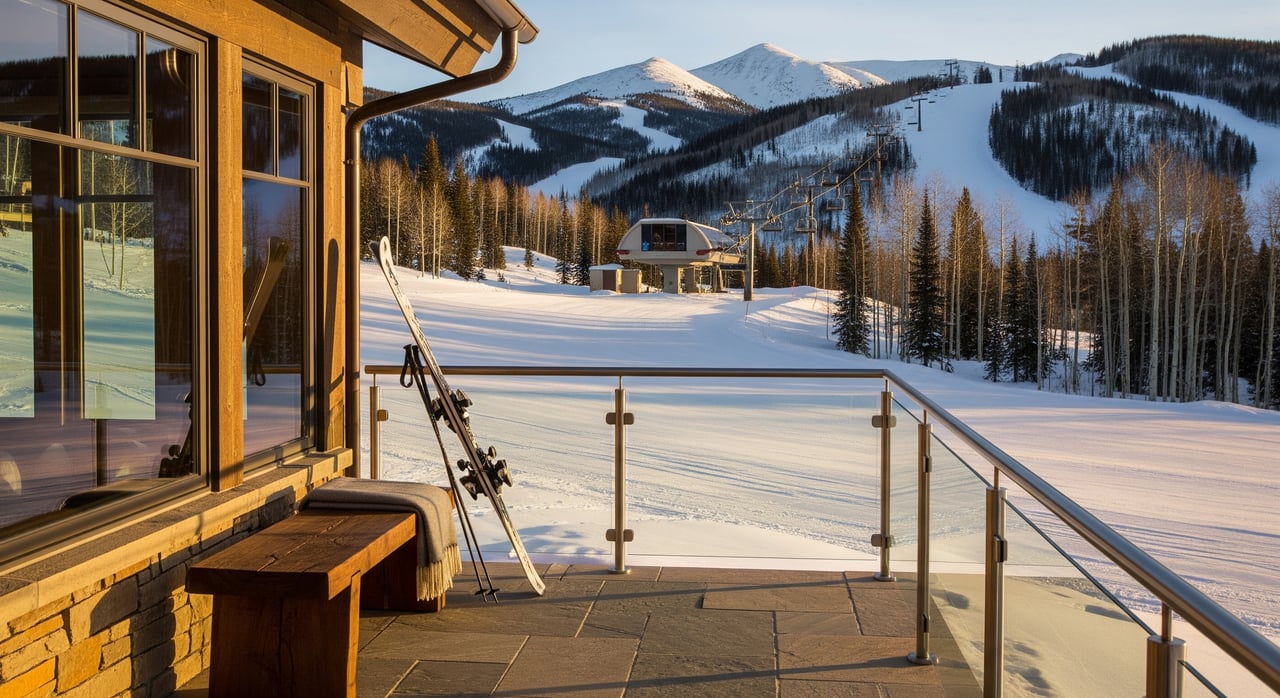
Want to click into your skis at the door, or are you fine with a short stroll to the gondola with your gear? If you are choosing between ski-in, ski-out and walk-to-lift living in Steamboat Springs, the details matter. Weather, terrain, HOA rules, rental goals, and resale plans all play into the right fit for you. This guide breaks down the real differences in Steamboat, what affects pricing and rentals, and how to verify any access claim before you buy or sell. Let’s dive in.
What ski-in, ski-out means here
Ski-in, ski-out in Steamboat means you can leave your building and glide onto a skiable surface that connects directly to runs or the lift network. You should not need a vehicle or a long walk to reach a lift. The experience is usually binary for guests and owners, meaning it either works cleanly or it does not.
True ski-in, ski-out properties often include practical touches like ski lockers, boot rooms, and slope-facing patios or balconies. The convenience is most noticeable on cold or windy days when short breaks are easy. In Steamboat, most of this inventory clusters near the Mount Werner base area where lift connections and snow management are most reliable.
What walk-to-lift really feels like
Walk-to-lift means you leave your building and walk a short distance to a base lift or gondola. That walk can vary a lot. It might be a couple of minutes on a flat, well-cleared path or 10 to 15 minutes that includes stairs, hills, or crossing a road.
The experience changes with snow and ice. Heated or covered walkways and building design, such as indoor gear storage, can make a big difference. What one owner calls a quick walk may feel long to another, especially with kids and gear.
Other access terms to know
- Ski-close: short shuttle ride or very short drive to the base, not typically walkable in winter.
- Shuttle-served: regular resort or private shuttles take you to the base area.
- Slope-side: a marketing term sometimes used like ski-in, ski-out. Always clarify whether there is an actual skiable connection.
Steamboat layout and seasonality
Mount Werner and Steamboat Ski Resort anchor the market. Base-area condos and townhomes near the gondola hold most of the true ski-in, ski-out options. Nearby hillside communities and developments at different elevations affect whether a route is easy to walk or not.
Heavy snowfall, wind, and cold can turn a short walk into a chore. Building features, such as boot rooms and interior corridors, reduce that friction. In spring or lower-snow years, some slopeside routes may not be skiable the entire season, so access can shift with snow coverage.
Financial tradeoffs to expect
Price premiums and resale. Properties marketed as true ski-in, ski-out often command a premium compared to walk-to-lift homes. In Steamboat, proximity to base lifts and views influence pricing, and the exact premium is market-driven. Recent comparable sales within the same development are the best benchmark.
Inventory and liquidity. True ski-in, ski-out units are limited. Scarcity can support stronger resale and faster market times in active periods. Walk-to-lift options typically offer more choices, which may appeal to value-focused buyers or those seeking larger floor plans.
Rental income and occupancy. Ski-in, ski-out properties often achieve higher nightly rates and strong bookings, especially during peak season. Walk-to-lift units can still perform well when positioned correctly, for example with larger layouts, garage parking, or competitive rates. Local short-term rental rules and HOA policies are decisive, so confirm what is permitted before you model income.
Operating costs and HOA fees. Ski-in, ski-out developments often have higher HOA fees due to amenities and snow management. Walk-to or drive-to homes may have lower HOA costs but higher owner responsibilities, such as private snow removal.
Financing and insurance. Lenders treat second homes and investment properties differently, which can affect down payments and loan programs. Insurance is driven by replacement cost, exposures, and building factors. Proximity to slopes can raise questions about snow load or drainage, and any site-specific hazards should be checked with local maps and insurers.
Daily-living differences you will notice
Convenience for skiers and families. With ski-in, ski-out, you can head out for a quick run, break for lunch, and be back on snow with minimal effort. Families with young children and anyone who wants easy mid-day breaks often value this most.
What walk-to-lift adds. Walk-to-lift properties may be closer to restaurants, shops, or shuttle stops that connect to town. If you plan to use the home year-round, being near non-ski amenities can increase everyday utility.
Parking and vehicles. Ski-in, ski-out buildings often prioritize pedestrian flow. Parking may be assigned or limited and sometimes comes at a cost. Walk-to and drive-to homes may offer private garages and easier vehicle access, which can be a major benefit for longer stays and summer use.
Maintenance realities. Slope-adjacent buildings typically invest more in snow management and freeze-thaw resilience, costs that can flow through HOA fees. Walk-to or drive-to properties may require you to manage driveways or sidewalks.
How to verify access claims
Do a physical walkability audit. Time the route in minutes, note any stairs or hills, and pay attention to lighting, snow removal practices, and route safety. Try to test the access during winter conditions, since what feels easy in summer can be challenging in January.
Confirm easements and access rights. Ask for recorded ski or pedestrian easements, review plat maps, and understand resort boundaries. If a listing is marketed as ski-in, ski-out, request documentation and a winter tour to validate the claim.
Check building and HOA details. Ask about ski locker locations, boot rooms, elevator access, and whether there are heated or covered pathways. Small design features can change the day-to-day experience.
Regulations and HOA rules to review
Zoning and permitted uses. Verify city or county zoning for the property to confirm allowed uses, including whether short-term rentals are permitted. Rules can vary by neighborhood and building.
Short-term rental rules and taxes. Confirm local registration, licensing, and occupancy tax requirements, and check whether the HOA allows or restricts rentals. These policies evolve, so review current municipal code and HOA documents.
HOA financial health. Ask for CC&Rs, recent budgets, reserve studies, meeting minutes, and special assessment history. Look for any policies about shared corridors, snow management, or amenities that affect ski access.
Insurance and hazards. Review insurance options and consult public hazard maps for flood or geologic risks as appropriate. Site-specific evaluations provide clarity on potential exposures.
Buyer profiles and fit
Who chooses ski-in, ski-out. Frequent skiers, buyers who place maximum value on convenience, and investors targeting premium nightly rates often prefer ski-in, ski-out. Many of these units are condos near the base area, where access and views carry much of the value.
Who chooses walk-to-lift. Buyers seeking more space, quieter settings near the base, or better parking often opt for walk-to-lift properties. If you balance skiing with time in town or summer use, this can be a smart tradeoff.
Seller tips for strong positioning
If you are selling ski-in, ski-out. Emphasize the experience. Document how you reach the slope from the building, any heated paths or enclosed corridors, and on-site amenities like lockers and rental services. High-demand attributes and convenience-driven lifestyle points resonate with buyers and renters.
If you are selling walk-to-lift. Be precise about the route, typical walk time, stairs or hills, and whether sidewalks are maintained. Highlight benefits such as larger interior space, garage parking, lower fees, or proximity to dining and shops.
Quick decision guide
Choose ski-in, ski-out if:
- You want the most convenient on-snow access and will use it often.
- You aim for peak-season rental rates and frequent bookings.
- You value on-site amenities and are comfortable with higher HOA fees.
Choose walk-to-lift if:
- You want more interior space or a private garage at a comparable budget.
- You plan to use the property year-round and value nearby town amenities.
- You prefer broader inventory choices and potentially lower carrying costs.
Smart next steps
- Tour in winter and test the route in full gear.
- Pull recent comparable sales within the same building or immediate area.
- Review zoning and current short-term rental rules for the specific parcel.
- Request HOA documents, including CC&Rs, budgets, and reserve studies.
- Confirm recorded easements that support any access claims.
- If evaluating rentals, gather documented occupancy and revenue history.
If you want appraisal-rooted pricing guidance and a local walkthrough of access routes near the base, connect with Mitch Shannon for a free, no-pressure consultation.
FAQs
How big is the ski-in, ski-out price premium in Steamboat?
- A premium exists, but its size varies by unit type, condition, views, and market cycle. The best way to gauge it is by reviewing recent comparable sales in the same development.
Does walk-to-lift access hurt rental income?
- Not necessarily. Walk-to-lift properties can perform well with the right positioning, such as larger floor plans, parking, and competitive rates. Ski-in, ski-out often captures higher peak rates.
How can I verify a ski-in, ski-out claim before buying?
- Tour during winter, time the route, and review recorded easements and maps that show skiable connections. Ask the seller or HOA for documentation and clarity on resort boundaries.
Are ski-in, ski-out homes harder to insure?
- Insurance depends on replacement cost, exposures, building age, and use. Proximity to slopes is not typically a primary driver, but site-specific hazards and construction details matter.
Do HOAs in Steamboat often restrict rentals?
- Some HOAs manage or restrict rental activity. Always review CC&Rs and confirm local short-term rental regulations before you rely on income projections.