Eyeing a “condotel near the base” in Steamboat Springs and wondering what that really means for your lifestyle and bottom line? You are not alone. These condo-hotel hybrids can be turnkey and income producing, yet they come with unique rules, fees, and financing. In this guide, you will learn what a condotel is, how base-area proximity affects value, the costs and contracts to review, and the due diligence that helps you buy with confidence. Let’s dive in.
What a condotel is
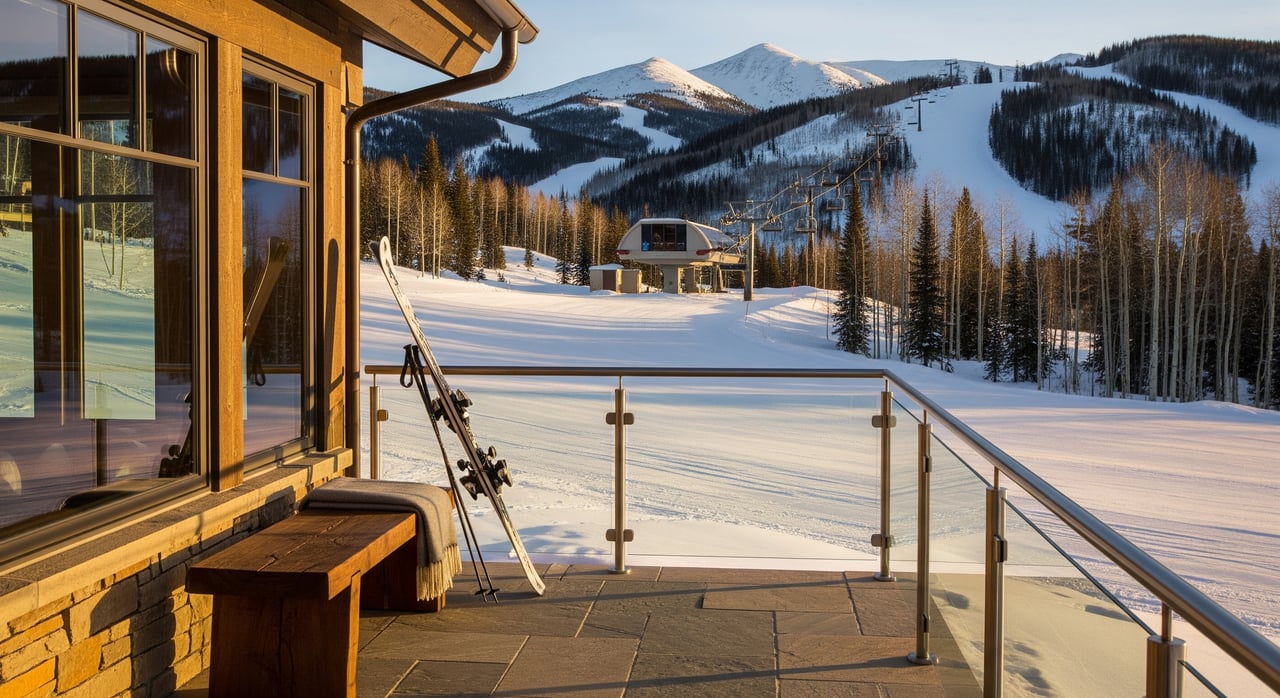
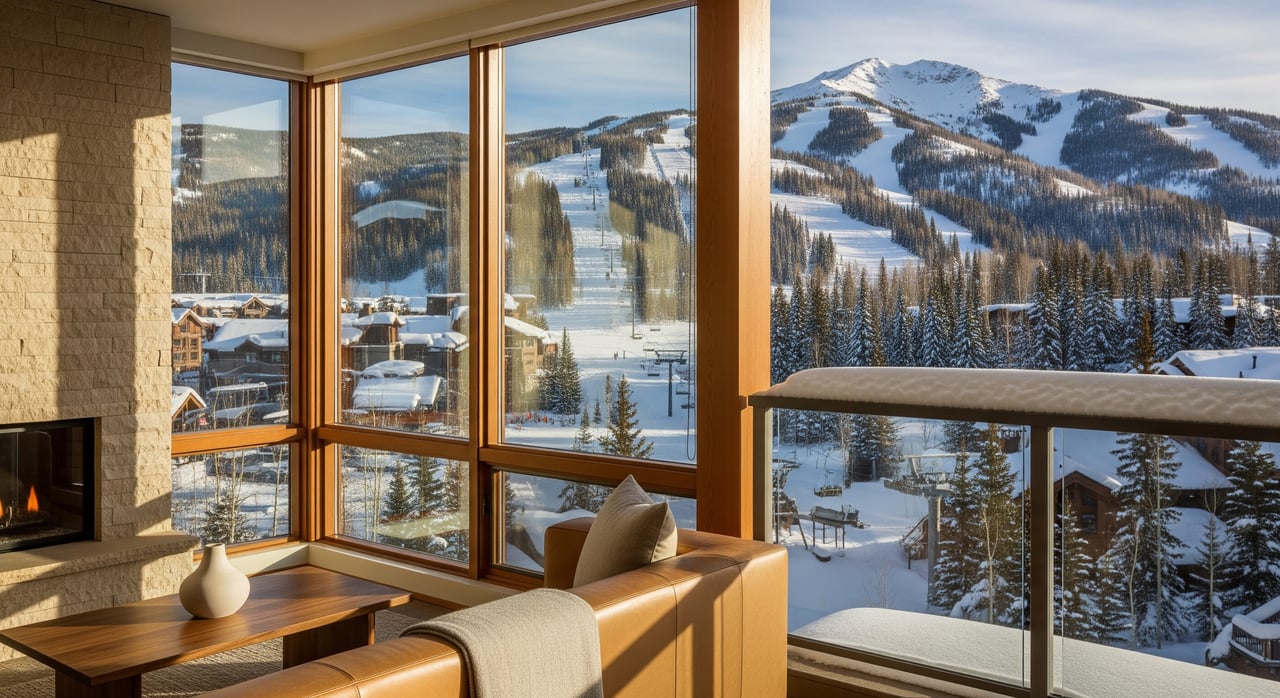
A condotel is a condominium that participates in a professional short-term rental operation. You own the unit, and when you are not using it, it runs like a hotel with centralized reservations, a front desk, housekeeping, and shared amenities. In Steamboat, “near the base” means you are within walking or shuttle distance of the Steamboat Ski Resort lifts and village. This location typically draws strong guest demand in winter and steady interest the rest of the year.
Common features you will see include a lobby, concierge or front desk, fitness room, laundry access, ski storage, and on-site staff for maintenance and cleaning. Many condotels are sold furnished so you can start hosting right away. Some buildings limit full-time residency, so check the HOA and local zoning before you plan to live there year-round.
How a condotel differs from a condo
Condotels look like condos, but they operate differently.
- Rental rules: You often enroll in a centralized rental program with set terms for revenue sharing, owner use, and booking priorities.
- HOA structure: Fees tend to be higher to pay for staffing, common utilities, and marketing.
- Use limits: Some programs cap owner weeks and may include blackout dates during peak season.
- Financing and insurance: Lenders and insurers can treat condotels differently than standard condos, which affects loan options and coverage.
Why base proximity matters
Being near the base can boost occupancy and nightly rates during ski season. You also benefit from festivals, mountain biking, fishing, and summer events that bring guests year-round. Proximity supports stronger resale appeal, especially when paired with clear rental history and well-kept amenities. Keep in mind that premium locations can come with higher purchase prices and HOA or operational costs.
Steamboat rules, taxes, and permits
Steamboat Springs and Routt County regulate short-term lodging. Before you buy, confirm whether a property is licensed as a lodging property or as individual short-term rentals, and verify the current permitting or business license requirements. The rules and fees can differ based on how the building is classified.
Short-term stays are usually subject to local lodging taxes, county taxes, and state sales tax. In some projects the management company collects and remits these taxes, while in others the owner is responsible. Review the current tax rates and remittance process so you know who does what.
HOA rules may also set owner-use limits, require a specific rental program, or restrict long-term occupancy. Mountain properties come with unique environmental considerations as well. Be sure to review required seller disclosures and understand wildfire, snow load, flood, or other hazards that can affect insurance and maintenance.
Income, costs, and returns
Rental performance depends on seasonality. Winter is typically peak for Steamboat, with shoulder seasons and summer providing secondary demand. Ask for 2 to 3 years of rental statements and occupancy calendars so you can compare average daily rate, occupancy by month, and net revenue after fees.
Common expenses that affect net income include:
- HOA dues: Often higher in condotels due to staffing, amenities, and common utilities.
- Management fees: Full-service programs commonly take 20 to 40 percent of gross revenue.
- Cleaning and turnover: Paid per stay or deducted from revenue.
- Repairs and reserves: Furniture replacement cycles and minor fixes add up over time.
- Local taxes and compliance: Lodging and sales taxes, plus any related costs.
- Insurance and utilities: Your HO-6 policy, liability endorsements, and unit utilities if not covered by HOA.
Financing and insurance
Some lenders treat condotels as non-warrantable or quasi-commercial, which can limit conventional options and affect rates and down payments. Lenders will review the building’s rental profile, HOA financials, reserves, litigation status, and insurance. FHA and VA programs often have restrictions for projects that function like hotels.
On insurance, you will usually carry an HO-6 policy for your unit’s interior and personal liability. Confirm what the master policy covers, including deductibles and liability for common areas. If you rent often, ask about short-term rental endorsements and any coverage for loss of rental income.
HOA and rental program mechanics
The rental agreement is the heart of a condotel purchase. Read it closely.
- Mandatory or optional: Some projects require participation in the central rental program, others allow third-party management or owner-direct bookings.
- Revenue split: Understand what fees are deducted before your share is calculated.
- Owner use: Check how many weeks you can reserve, how blackout dates work, and how far in advance you must book.
- Damage and cleaning: Clarify who pays for damages, how deposits work, and how cleaning fees are handled.
- Marketing and bookings: Ask which channels the operator uses and how your unit is prioritized.
- Termination and transfers: Learn the notice required to exit the program and whether there are transfer fees when you sell.
Due diligence checklist
Before you write an offer, request and review:
- Rental history: At least 24 to 36 months of revenue statements and occupancy by month.
- HOA documents: CC&Rs, rules and regulations, bylaws, budget, reserve study, and recent meeting minutes.
- Rental program contract: All addenda and house rules.
- Insurance: Master policy declaration and a certificate of insurance.
- Assessments: Details on current dues, any special assessments, and upcoming capital projects.
- Disclosures: Property condition disclosure and any known environmental hazards.
- Title and access: Preliminary title commitment and any easements for parking or ski access.
- Licensing: Evidence of local lodging or short-term rental compliance for the building or unit.
Risks to weigh
Condotels can be rewarding, but go in with eyes open.
- Seasonality: Income concentrates in winter. Plan for off-season dips.
- Fees: HOA dues and management fees can materially reduce net returns.
- Regulatory change: Local rules or taxes can shift over time.
- Financing friction: Non-warrantable status or hotel-like operations can limit lenders.
- Insurance costs: Mountain risks and high turnover can affect premiums and coverage.
Who a condotel fits
A base-area condotel can fit you if you want a turnkey second home with on-site management and predictable guest demand. It can work for investors who prefer professional operations over self-management. If you need full-time primary residency or maximum personal flexibility, a standard condo or townhome may be a better match.
Next steps in Steamboat Springs
If a condotel near the base fits your goals, start with the numbers and documents. Collect rental statements, study the HOA budget and reserves, and read the rental contract line by line. Ask about owner-use rules, parking, ski storage, and furniture replacement schedules. Speak with a lender experienced in condotels, and consult a CPA and insurance agent who know Colorado resort properties.
Ready to compare options, run the numbers, and find the right building for your plan? Connect with Mitch Shannon for appraisal-informed pricing insight, clean due diligence, and local guidance focused on your goals.
FAQs
What is a condotel in Steamboat Springs?
- A condotel is a condo that operates like a hotel with a central rental program, on-site services, and shared amenities, often near the Steamboat Ski Resort base.
How do HOA dues work in base-area condotels?
- Dues are typically higher to fund staffing, amenities, and common utilities, and they should be reviewed along with the HOA budget, reserves, and any special assessments.
Are Steamboat condotels hard to finance?
- Some are considered non-warrantable, which can limit conventional loans and require larger down payments, so work with lenders who finance condotels.
What taxes apply when renting a condotel unit?
- Short-term stays usually incur local lodging taxes, county taxes, and state sales tax, which are either remitted by management or by the owner depending on the program.
Can I live full-time in a Steamboat condotel?
- Some projects or local rules limit long-term occupancy, so check HOA documents and zoning before planning full-time residency.
What due diligence should I complete before buying?
- Review 2 to 3 years of rental statements, HOA documents, the rental contract, insurance policies, assessments, disclosures, title, and proof of local lodging compliance.