Is your North Routt acreage truly accessible year-round, on paper and on the ground? In 80428, winter storms, steep terrain, and private roads can turn a pretty parcel into a complicated project. You want confidence before you buy or list, and that starts with understanding access and easements. In this guide, you’ll learn what “legal and practical access” means, how to verify it in Routt County, common risks, and the steps that keep your deal on track. Let’s dive in.
Why access matters in 80428
North Routt is rural and mountainous. Many properties sit on private or shared roads, or rely on rights-of-way across neighboring parcels or federal lands. Deep snow and grade can affect real-world access and drive ongoing maintenance costs.
Access status influences building permits, financing and insurance, emergency response, and resale. Lenders and title companies usually require clear legal and practical access before closing. That can include a recorded roadway easement and road conditions that allow year-round use.
Typical local scenarios include private subdivision roads versus county-maintained roads, driveways that follow historic tracks without recorded easements, landlocked parcels that need a grant of access, and routes that cross U.S. Forest Service or BLM lands.
Key access and easement types
Express recorded easement
A written document recorded on title that grants the right to use a portion of another parcel. This is typically strongest and easiest to verify, and it should appear in the title commitment.
Implied easement
Created by use and circumstances when a larger parcel gets subdivided, even if not recorded. It is harder to prove. If you are relying on implied rights, get legal advice early.
Easement by necessity
Arises when a parcel has no reasonable access. Often requires a negotiated grant or a court action. Plan for time and legal costs if you need to establish this.
Prescriptive easement
Created through continuous, open, notorious, and adverse use over a statutory period. It is a legal claim that may not appear in public records. Speak with a Colorado real estate attorney if you think prescriptive rights apply.
Right-of-way
A type of easement that can be public or private. Public rights-of-way usually mean a governmental entity maintains the road, while private rights-of-way depend on owners for upkeep.
Utility easement
Allows utility providers to install and service lines, meters, or pipes. These can limit where you place driveways or structures and may affect development plans.
Conservation or access-limiting easements
Some parcels include conservation restrictions that limit development and, in some cases, public access. Review these carefully before you plan improvements.
How to verify access before you buy
- Review the title commitment and all recorded documents, including deeds, plats, easements, and covenants. Confirm that access is recorded and matches how the property is reached today.
- Order an ALTA/NSPS survey for acreage. A survey maps recorded easements, the physical road or driveway, encroachments, and improvements.
- Use the Routt County GIS and recorded plats to confirm if the road is county, platted private, or unplatted. This helps you understand who maintains it and to what standard.
- Contact Routt County Road and Bridge to confirm whether the road is county-maintained. Ask about any requirements for driveway or culvert permits, sight distance, and standards.
- Check with Routt County Planning and Building to confirm access requirements for building permits. Ask whether documented legal access is required before permits are issued and what emergency access standards apply.
- If access crosses U.S. Forest Service or BLM land, confirm whether a special-use permit or other authorization is needed. Informal use can be revoked.
- Ask the seller for road maintenance agreements, HOA or POA documents, plowing contracts, and any dispute history. Maintenance clarity reduces surprise costs and conflict.
- Ask the title company about its access language and available endorsements. Understand any limitations that could affect financing or risk.
- If the route is informal or unrecorded, consider making a recorded easement or maintenance agreement a condition of closing.
Who to involve
- Title company for the commitment, recorded documents, and endorsements
- Licensed land surveyor for an ALTA/NSPS or boundary survey
- Colorado real estate attorney for complex, implied, or prescriptive issues
- Routt County Planning, Building, and Road and Bridge for standards and permits
- U.S. Forest Service and BLM if federal lands are part of the route
Local permitting and maintenance realities
Driveways, culverts, and drainage
Driveway approaches often need county permits, minimum sight distance, and culvert sizing that handles runoff. In mountain terrain, proper drainage prevents erosion and protects the road base.
Private and shared road standards
Emergency access can drive minimums for width, grade, and turnarounds. Many counties require documented legal access and an acceptable road condition before issuing building permits.
Winter access and plowing
Snow removal is a major factor in 80428. If the county does not plow your road, plan for shared plowing costs, equipment access, and snow storage. Verify winter access for emergency services.
Utility access and extensions
Utility lines often run in roadway easements. Confirm the location and availability of electric, communications, water, and on-site septic. Extending services across neighboring land can require additional easements and fees.
Highway or federal land connections
Access that connects to a state highway may require Colorado Department of Transportation permits. Crossings over USFS or BLM land typically need authorization and can carry conditions.
Gates and emergency access
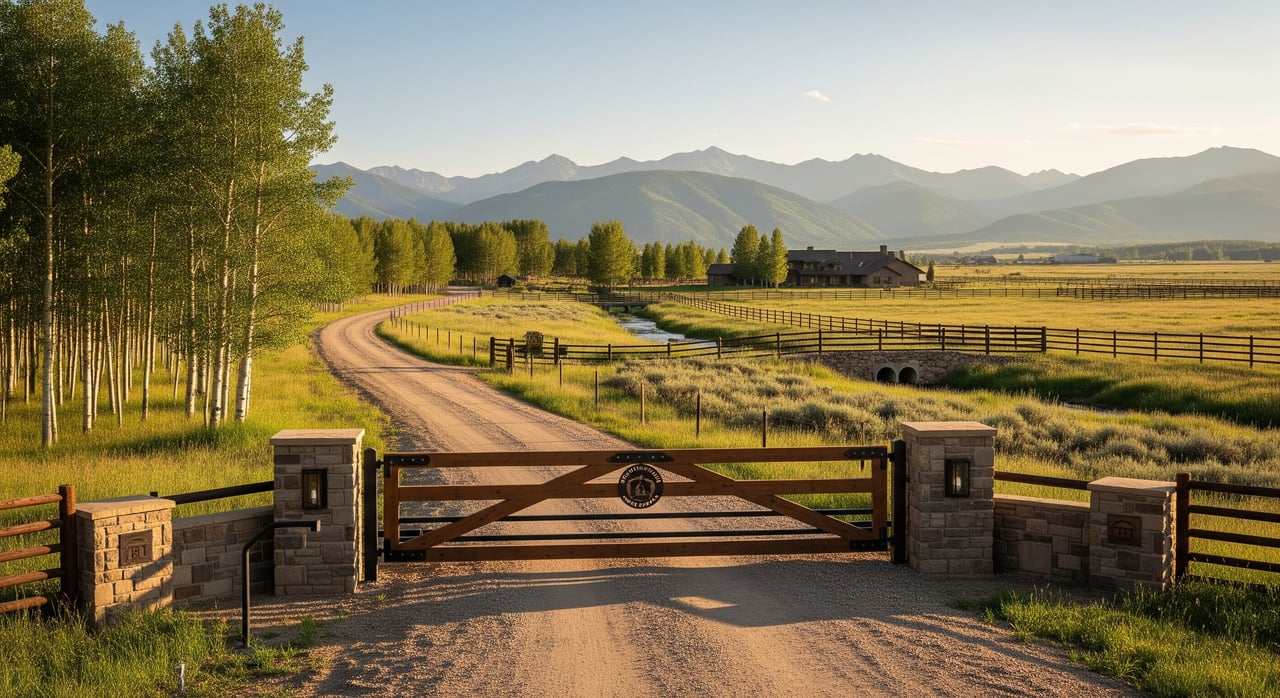
Gated private roads are common. Confirm that easements allow for emergency access and that any gates meet local emergency service requirements.
Road maintenance agreements
Clear, recorded maintenance agreements outline cost sharing, plowing, grading, and repairs for private roads. This reduces disputes and supports financing and resale.
Risks, costs, and market impacts
- Landlocked parcels or weak, unrecorded access that jeopardizes permits, lending, and insurance
- Disputed or unrecorded easements that require legal action to resolve
- Maintenance disagreements that lead to conflict or litigation
- Seasonal streams, floodplains, or unstable slopes that raise costs and limit use
- Federal land crossings where permissive use can change or end
- Survey, legal, and roadwork costs, including culverts, drainage, and potential regrading
- Lender requirements for legal, year-round access and possible limits on title endorsements
Buyer and seller checklist
- Get the full title commitment and read every exception and easement.
- Order an ALTA/NSPS survey that shows easements, roads, encroachments, and improvements.
- Confirm if the road is county-maintained, private, or unplatted with Routt County Road and Bridge.
- Gather recorded road maintenance agreements, HOA or POA documents, and any cost-sharing terms.
- Ask the seller for plow contracts, grading receipts, and any access dispute history.
- Verify utility easements and the cost to extend power or communications if needed.
- Confirm building permit access requirements with Routt County Planning and Building.
- If federal lands are involved, contact USFS or BLM about permits or authorizations.
- Add contract contingencies: survey approval, title review, and an access and easement approval contingency.
- Require a recorded easement or maintenance agreement before closing if access is informal.
- Consult a Colorado real estate attorney for implied or prescriptive claims or contested access.
When to bring in a surveyor or attorney
If physical access does not match the recorded easement, or neighbors disagree about road use or costs, bring in a licensed surveyor and an attorney. A survey can map the route, setbacks, and encroachments to guide solutions. An attorney can negotiate, draft, and record easements or pursue quiet title actions when necessary.
Your next step
Whether you are sizing up a parcel near Steamboat Lake or preparing to list an acreage property in Clark, access clarity protects your plans and your equity. If you want a calm, step-by-step approach that combines valuation-minded guidance with local knowledge of Routt County roads, permits, and surveys, let’s talk. Schedule a free consultation with Mitch Shannon to map your access and easement path before you move forward.
FAQs
In North Routt 80428, how do I confirm if my road is county-maintained?
- Check Routt County Road and Bridge records and the county GIS. County-maintained roads typically appear on county lists and recorded plats.
Will my lender require proof of legal access for acreage in 80428?
- Many lenders require evidence of legal, year-round access before funding. Confirm your lender’s requirements early in the process.
Can a neighbor block an unrecorded driveway I have used for years?
- Without a recorded easement, a neighbor could try to restrict access, but longstanding use can create legal claims like prescriptive or implied easements. Consult an attorney.
Who pays for private road plowing and repairs in North Routt?
- It depends on recorded maintenance agreements or HOA documents. If nothing is recorded, owners often negotiate cost sharing, which can lead to disputes without clear terms.
What happens if access to my parcel crosses USFS or BLM land?
- Access across federal land typically requires authorization such as a special-use permit. Informal permissive use can be changed or revoked, so confirm with the appropriate office.
Do I need a survey if the title shows an easement?
- A survey is recommended for acreage. It verifies the easement’s location on the ground, identifies encroachments, and helps align recorded rights with practical access.
Will Routt County issue a building permit without recorded access?
- Policies vary, but many counties require documented legal access and adequate road conditions for emergency access before issuing permits. Verify with Planning and Building early.