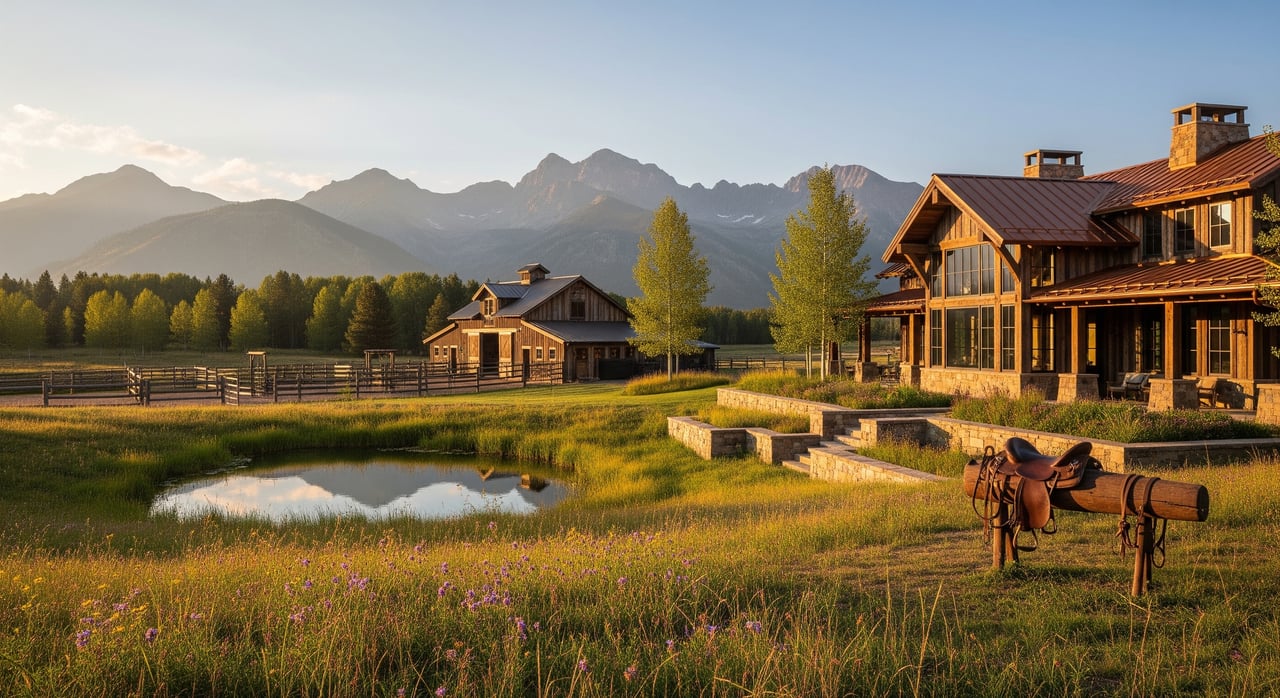
Picture waking up to alpenglow on the Zirkels, a glassy Steamboat Lake, and elk moving through the timber. That dream is real in North Routt, but so are the winter plow runs, well tests, and driveway culverts that keep your ranch running. If you are considering a recreational ranch or acreage in 80428, you will want a clear view of the lifestyle, the seasonal rhythms, and the nuts and bolts of owning land here. This guide gives you that view so you can plan with confidence. Let’s dive in.
North Routt lifestyle and seasons
North Routt sits in the high country north of Steamboat Springs. Parcels range from small acreages to larger ranchettes, many with a mix of forest and meadow and proximity to public land. Daily life blends privacy, starry skies, and trail access with longer drives to town for groceries, medical care, and services.
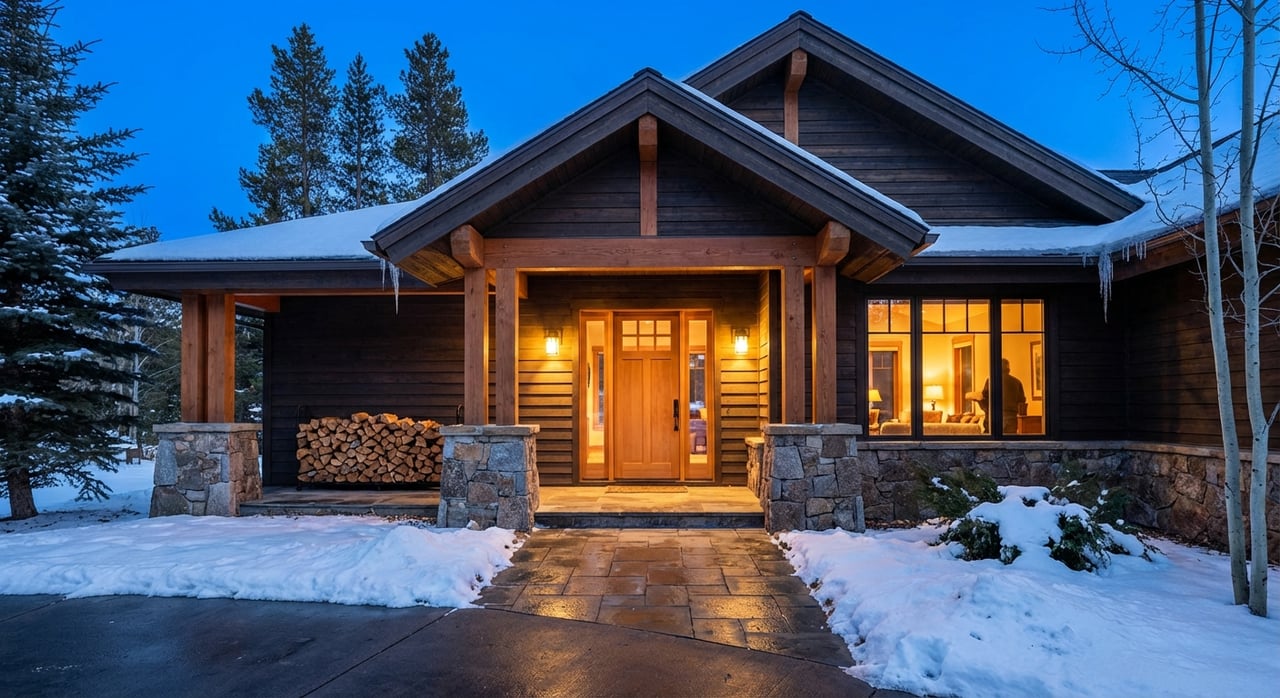
Seasons shape your calendar. Summer is for fishing, boating, fencing, grading roads, and weed control. Fall brings hunting seasons and a push to finish projects before freeze. Winter runs long, which means snow removal, heating, and reliable vehicle access are top priorities. Spring is mud season, so expect soft roads, changing water levels, and culvert checks.
Recreation access near Steamboat Lake
You are steps or a short drive from some of Routt County’s best recreation. Steamboat Lake State Park offers trout fishing, boating, shoreline picnics, and family-friendly day use. Routt National Forest surrounds the region with hiking, mountain biking, dispersed camping, hunting, and winter snowmobile trail systems.
Winter recreation is a major perk. Snowmobiling, cross-country skiing, and backcountry access are all part of life here. In summer, you might keep a small boat for the lake and an ATV or UTV for access roads and property chores.
Daily life and essential equipment
Owning a recreational ranch here is as much about preparation as it is about play. The right gear saves time and reduces stress, especially in winter.
Consider budgeting or planning for:
- 4WD vehicle with quality snow tires, and chains when storms stack up.
- Snowblower or a plow attachment, plus a trusted plowing plan for big events.
- Backup generator and battery storage if you rely on alternative power.
- ATV/UTV for chores and seasonal access on rough roads.
- Covered storage for snowmobiles, UTVs, boats, and maintenance tools.
- Fuel storage and a propane plan to avoid midwinter shortages.
Water, wells, and septic basics
Most rural parcels use a domestic well, a spring, or hauled water. In Colorado, water law is complex. Well permits, well logs, and any augmentation plans matter. Owning land does not automatically convey surface-water rights, so you should request proof of any existing rights or permits from the seller.
When you evaluate a property, ask for well yield in gallons per minute, pump depth, and recent water quality results. For septic systems, permits and as-builts tell you size, age, and code compliance. Soil and percolation conditions affect what you can replace or expand, which is important if you plan to add bedrooms or guest space.
Power, heat, and communications
Many parcels have grid electricity, but extending service across distance or rough terrain can be costly. Propane and wood heat are common. Some owners go hybrid with solar plus battery storage and add a generator as a backup.
Cell coverage can be spotty in parts of North Routt. Fixed wireless or satellite internet fills the gap for many owners. When you tour a property, bring phones from different carriers and test on site. Reliable communications help with security systems, remote work, and weather planning.
Access, roads, and winter realities
Road type and maintenance rules affect daily life. Some properties sit on county-maintained roads, while others rely on private roads or associations. Maintenance responsibilities, snowplow priorities, and seasonal closures vary by location.
Driveways matter as much as roads. Steep grades, tight switchbacks, culverts, and bridge conditions all influence access and insurance. In winter, a well-planned turnaround for plows and deliveries can save headaches.
Land use, fencing, and livestock
If you plan to keep horses or small livestock, factor in fencing, water troughs, and feed storage. Many ranchettes support modest herds. For larger operations or grazing on public land, you will need to look closely at zoning and any federal grazing permits that may apply.
Fencing is also part of good neighbor relations. Confirm boundary lines with a current survey and understand recorded easements for roads, utilities, or public access.
Wildlife, weeds, and wildfire safety
Wildlife is part of the charm and the responsibility. You will likely see elk, deer, and the occasional bear or mountain lion. Secure attractants, protect pets and livestock, and follow state guidelines on wildlife interactions.
Noxious weeds such as knapweed, thistle, and leafy spurge require regular control. Many owners budget for targeted spraying or mechanical removal in summer. County programs sometimes offer guidance or cost-share options.
Wildfire risk is a long-term factor across the West. Creating defensible space, choosing ember-resistant materials, and maintaining clear access routes all improve safety. Some insurers ask for mitigation steps before issuing a policy or setting premiums.
Rules, permits, and property rights
Routt County zoning regulates what you can build and how you can use the land. Building permits, septic permits, driveway permits, and floodplain setbacks can all apply. If short-term rentals or a home-based business are part of your plan, you will need to confirm what is allowed on your specific parcel.
Water rights need special attention. Surface-water rights are separate from land in many cases and follow prior appropriation rules, while wells require state permits. Ask for documents that show what rights or permits are in place today.
Mineral rights and easements can affect future use. A title commitment will show if mineral rights have been severed or if there are recorded easements for driveways, utilities, or public access. Understanding these early prevents surprises later.
Ongoing costs and insurance
Property tax classification matters. Agricultural classifications require active qualifying use and can reduce taxes, but they come with documentation requirements. Ask for the current tax bill and any agricultural exemption history.
Insurance in rural areas varies by location, access, and wildfire risk. Some properties require specific mitigation steps before coverage is bound. If a mapped floodplain touches the property, flood insurance may be required. Starting the insurance conversation early helps you budget and avoid delays.
Buyer checklist for 80428 ranches
Use this short list to organize your due diligence:
- Visit in different seasons, especially late winter and late summer, to see access, runoff, and road conditions.
- Confirm who maintains roads and driveways, typical plow timing, and any seasonal closures.
- Test cell and internet options on site with more than one carrier.
- Request a current title commitment to review easements and any mineral reservations.
- Ask for a recent survey that shows improvements and boundaries.
- Collect well permit, well log, and recent water quality results. Schedule a flow test if needed.
- Get septic permits, as-built drawings, and inspection or pump records.
- Review past utility bills for electricity and propane to estimate operating costs.
- Ask for HOA or road association agreements and any covenants or conservation easements.
- Discuss wildfire risk, potential mitigation, and insurance availability with your insurer.
How a local advisor helps
Buying acreage in North Routt is both exciting and technical. You want someone who understands valuation, seasonal access, and the documents that protect your use of the land. A consultative approach can help you weigh tradeoffs, budget for improvements, and negotiate with clarity.
If you are exploring recreational ranches near Steamboat Lake, connect with a local advisor who blends appraisal-minded analysis with practical, on-the-ground guidance. Ready to talk through a specific parcel or build a short list? Reach out to Mitch Shannon for a calm, data-driven plan tailored to your goals.
FAQs
What winter equipment do I need for a North Routt ranch?
- Plan on a 4WD vehicle with quality snow tires, chains for storms, and a snowblower or plow solution, plus a backup generator if power is unreliable.
Do ranches in 80428 include water rights by default?
- No. Surface-water rights are separate from land in many cases, and wells require state permits. Request the well permit, well log, and any surface-water rights documents from the seller.
How reliable is internet and cell service in North Routt?
- Coverage is patchy in some areas. Many owners use fixed wireless or satellite internet. Test multiple carriers at the property before you buy.
What permits are required to build or add structures on a ranch?
- You will likely need county building permits, septic permits for new or expanded systems, and driveway permits. Zoning and floodplain setbacks can also apply.
Can I allow hunting or fishing on my land near Steamboat Lake?
- Private landowners control access on their property, while seasons and licensing are regulated by the state. Understand trespass rules and confirm what is legal for your parcel.
How does wildfire risk affect insurance for ranches in 80428?
- Insurers consider location, access, and mitigation. You may be asked to create defensible space or upgrade materials before coverage is bound, and premiums can vary.