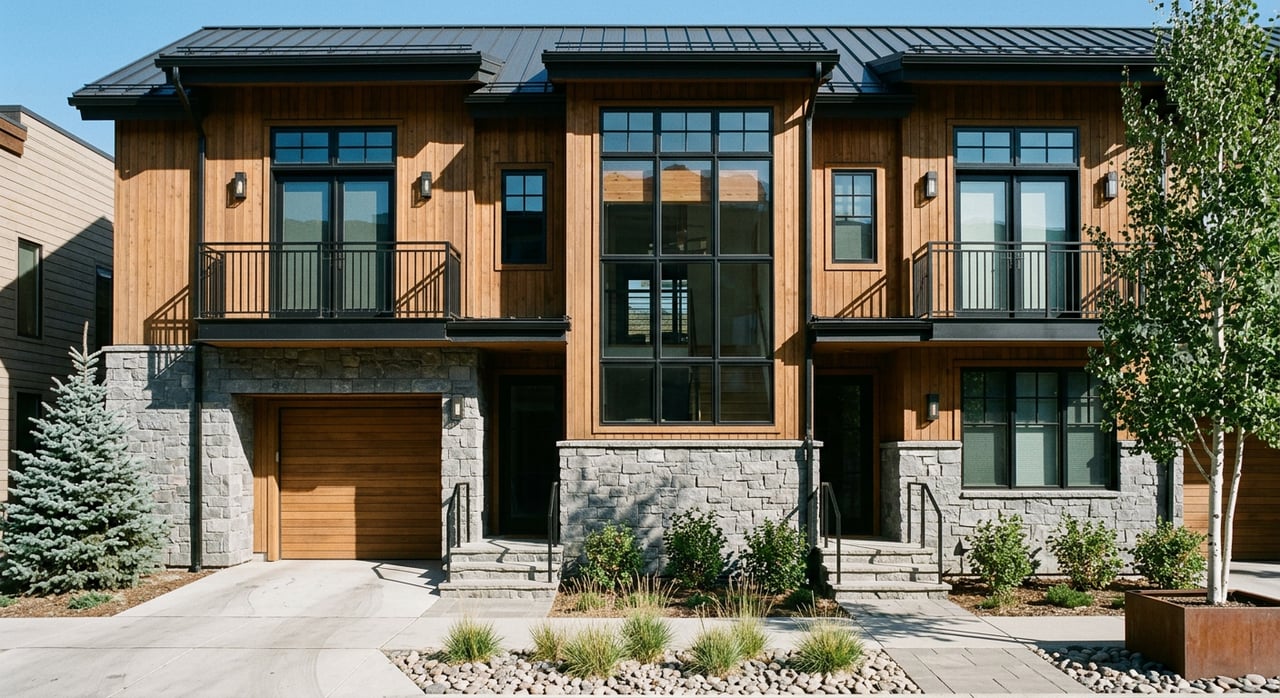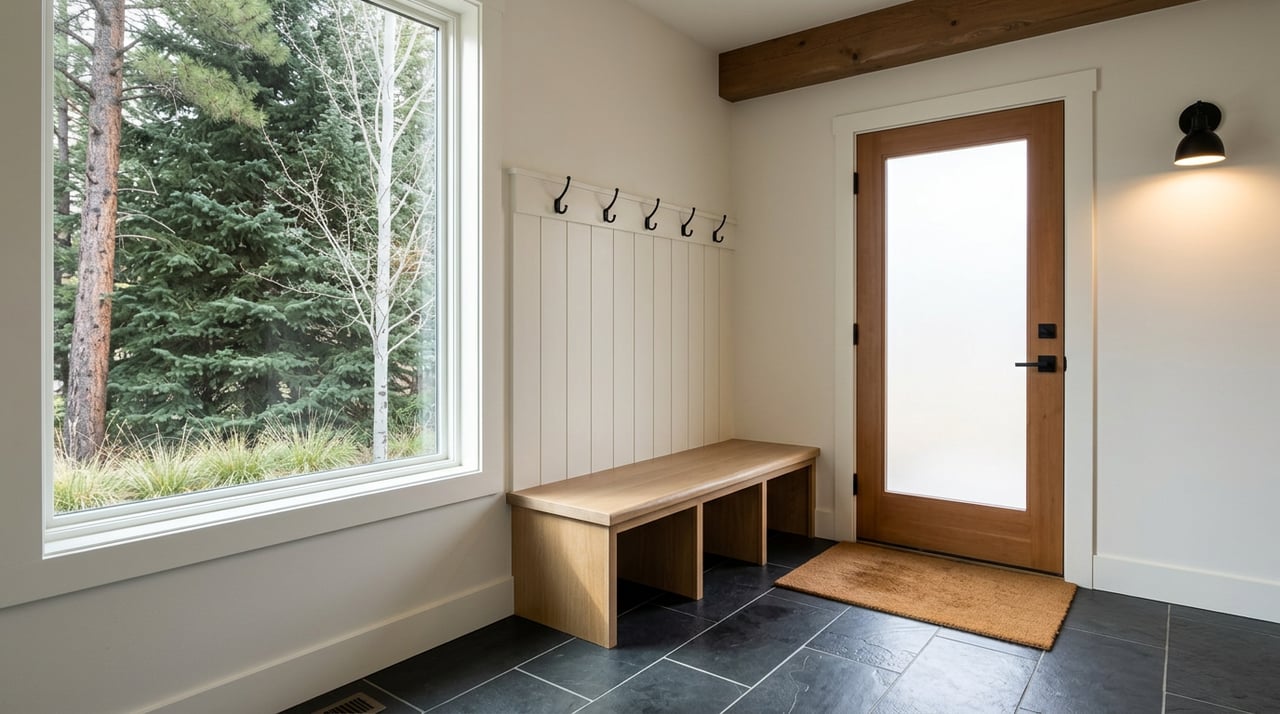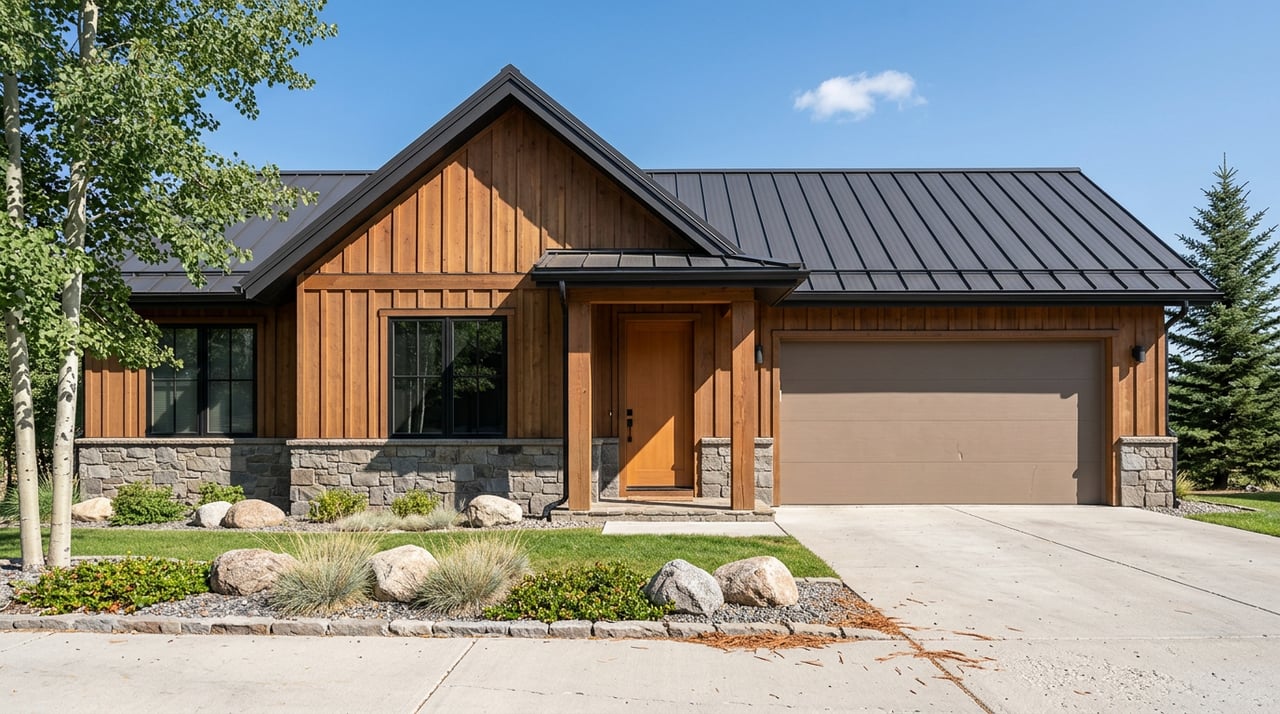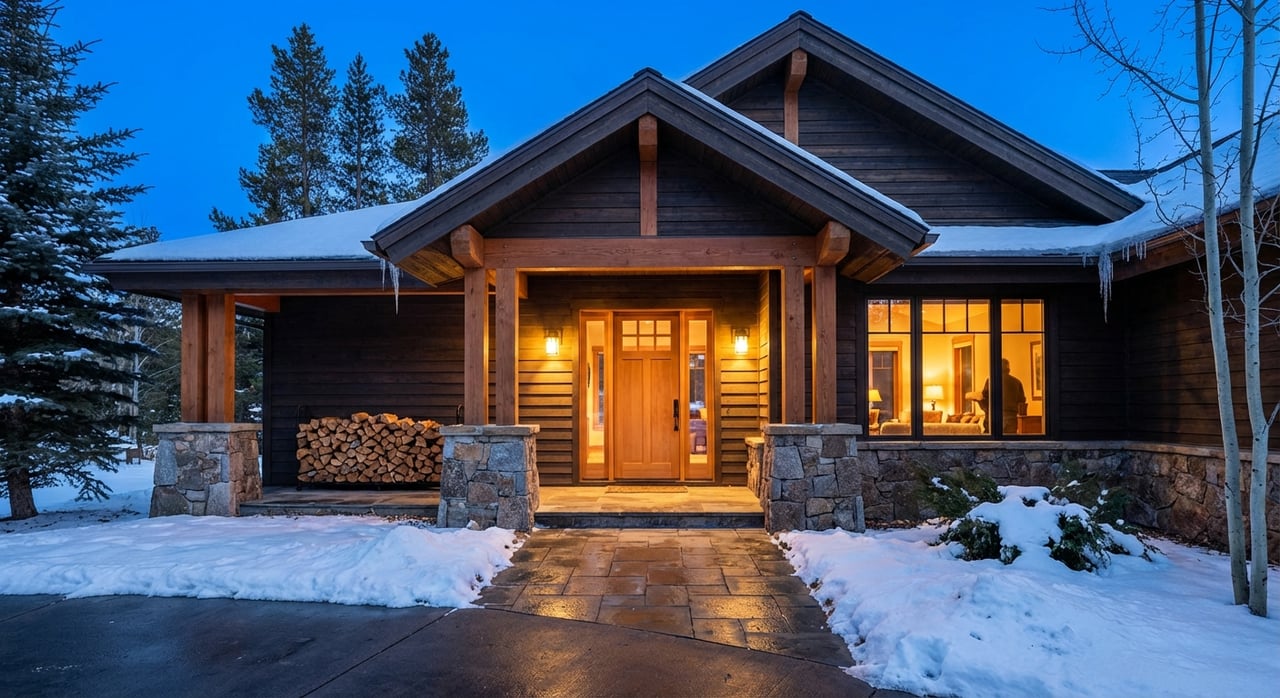
Snow is part of the story in Stagecoach and Oak Creek. Short days, fresh powder and steep driveways can make or break a buyer’s first impression. If you plan to sell this winter, a few targeted steps will keep showings safe, warm and stress-free while helping your home photograph beautifully. In this guide, you’ll get local, practical moves that fit a real Routt County winter, plus a simple timeline you can follow. Let’s dive in.
Know the winter context
Oak Creek and the Stagecoach area sit at high elevation with frequent snow and limited daylight in winter. That means you should plan ahead for snow clearing, safe access and warm interiors that welcome buyers. Review local climate norms so you can time photos and showings during brighter parts of the day. You can reference the Oak Creek climate summary to understand typical snowfall and daylight.
Routt County Road & Bridge maintains only certain roads during winter. Many low-volume roads receive delayed attention, and some are not plowed at all. Before you list, verify your road’s status on the county site and make a plan for any private segments or driveways. See the county’s winter maintenance overview for current guidance.
Make access safe and legal
Confirm road and driveway maintenance
Buyers and their agents need clear instructions on winter access. Confirm if your approach road is county maintained, town maintained or private. If private, spell out vehicle requirements like 4WD and snow tires, and define where visitors can park if plow berms are present. If you plan any private plowing that touches a county right-of-way, review permit needs with the county’s Road & Bridge team. Start with the winter maintenance page and the county’s permit guidance.
Line up snow removal early
Secure a snow-removal contractor before the first big storm. In your agreement, set a trigger depth for service, identify where snow will be piled, and ask for day-of-showing touch-ups that clear a parking spot and a path to the front door. Provide a simple map that marks no-push zones, drainage areas and the lockbox location.
Mark edges and protect landscaping
Place reflective driveway stakes along edges, curves, mailbox posts and any in-ground obstacles before the ground freezes. Markers help county or private plow operators avoid lawn, irrigation and curb damage that disappears under snow. Driveway stakes are inexpensive, reusable and effective. Learn the basics here: do you need driveway stakes for snow.
Day-of-showing access and safety
On showing days, keep one defined path from parking to the front door shoveled and treated for traction. Inside, place a grippy mat and a boot tray so visitors can remove wet footwear without tracking in slush. In your MLS notes, include short, clear parking and approach instructions so buyer agents can prep their clients before arrival.
Curb appeal that works in snow
First impressions form in seconds. A tidy entry signals care and reduces buyer worries about winter upkeep.
- Refresh the front door with a clean or freshly painted finish.
- Install large, visible address numbers and replace tired entry lights.
- Add one or two evergreen planters and a clean welcome mat.
Simple moves like these scan well in photos and in person. For more winter-friendly curb ideas, see these inexpensive curb appeal tips.
De-icing with care
Use de-icers thoughtfully to protect concrete, metal and nearby plantings. Rock salt is cheap and effective, but it can corrode and harm vegetation. Alternatives include sand for traction or less corrosive products like calcium magnesium acetate in sensitive areas. Limit over-application, sweep residual granules after thaw, and flush soils in spring where plants show stress. See university-backed de-icing best practices for details.
Roofs, gutters and ice dams
Ice dams can lead to leaks and inspector concerns. Long term, the fix is proper attic insulation and ventilation. Short term, keep gutters clear, use a roof rake at the lower eaves when safe, and hire a pro if dams form. The National Weather Service offers a clear ice dam overview and prevention tips.
Exterior photography in winter
Ask your photographer to schedule a clear day, or opt for twilight when warm interior lighting creates a cozy look against snow. Request images that show cleared walkways and winter-friendly features like a fireplace or heated garage. For timing and exposure tips, review this guide on choosing the best time of day for real estate photos.
Light, warm interiors buyers love
Short winter days call for a lighting plan. Open blinds and curtains during daytime showings, replace any burned-out bulbs and layer overhead fixtures with lamps to remove shadows. A quick pre-show lighting check makes rooms feel larger and more welcoming. See this seller-focused showing checklist for a simple walkthrough.
Choose the right bulbs
For a warm, inviting feel, use warm-white LEDs around 2700 to 3000 K. To help photos render materials accurately, aim for bulbs and fixtures with a color rendering index (CRI) of 80 or higher, and 90 or higher where color fidelity matters most, like kitchens and living rooms. These high-quality LEDs also reduce odd color casts in listing photos. A quick primer on CRI and color temperature is summarized in this residential lighting guidance.
Budget-friendly staging that pops
You do not need a full overhaul to make a winter listing shine.
- Declutter surfaces and clean windows so light can do its job.
- Add a neutral area rug and a soft throw to your sofa.
- Swap in fresh, neutral towels and a simple dining table centerpiece.
- If safe and documented, stage the fireplace with a clean hearth and dry, neatly stacked firewood.
Photo timing for interiors
Interior images usually look best at the brightest time of day with blinds open and lamps on. Ask your photographer about HDR or bracketed exposures to balance bright snow outdoors and darker interiors. For more ideas, share this photo timing guide with your pro.
Heat, safety and systems ready
A warm, safe home keeps buyers focused on value, not on worries.
HVAC and thermostat
Set the thermostat to a comfortable temperature before showings. Many agent checklists suggest around 68 to 72 degrees. Turn the heat on one to two hours before the first appointment so the home is evenly warm when buyers arrive.
Carbon monoxide and smoke alarms
Test CO and smoke alarms before listing and recheck before showings, especially if you use a furnace, woodstove or generator. Place alarms per manufacturer instructions, including outside sleeping areas and on each level, and keep documentation of testing for buyer peace of mind. For a quick safety refresher, review these winter home safety tips.
Fireplace and chimney
If your fireplace will be used in photos or during an open house, have the chimney inspected and cleaned by a qualified pro. Industry guidance recommends annual inspections, with cleaning as needed. A recent report can reduce buyer safety concerns and support insurance during escrow. Learn more about chimney safety recommendations.
Pipes and plumbing
Reduce freeze risk by insulating exposed pipes, keeping interior doors open to circulate warm air and maintaining a safe minimum temperature if the home sits vacant between showings. Document preventive steps in your disclosure packet. In our high-elevation climate, planning ahead is essential.
Showing-day safety checklist
Use this quick list on the morning of every showing:
- Clear a defined parking spot and a 3 to 4 foot path to the entrance; add traction at steps.
- Turn on all exterior entry lights and the main interior lights in key rooms.
- Place a heavy-duty mat, boot tray and a few disposable shoe covers at the door.
- Remove or secure any small throw rugs that could slip on wet floors.
A simple winter listing timeline
4 to 6 weeks before listing
- Schedule a furnace or boiler tune-up and replace filters. If you plan to feature the fireplace, book a certified chimney inspection. See chimney safety guidance.
- Confirm whether your road is county maintained and review the plow map. If needed, arrange private snow removal and install reflective driveway stakes. Start with the county’s winter maintenance page.
1 to 2 weeks before listing
- Book your photographer for a clear day, plus a twilight slot if you want that warm, cozy exterior shot. Share this photo timing guide.
- Replace mismatched bulbs with warm 2700–3000 K, high-CRI LEDs in key rooms. Clean windows and touch up the front entry.
Day before and day of showings
- Shovel and sweep the driveway and front path. Set fresh mats and a boot tray by the door.
- Turn the thermostat to your target show temperature 1 to 2 hours before the first appointment. Switch on porch lights and interior lamps.
- Post clear parking and approach notes in the MLS so visitors arrive prepared.
HOA and environmental notes
Stagecoach subdivisions vary in how roads are maintained during winter. If your property is in an HOA or on a private road, confirm snow responsibilities, snow-storage rules and any contractor restrictions, then disclose them early. Buyers appreciate clarity on who plows what.
If your driveway drains toward Stagecoach Reservoir or a tributary, consider non-chloride traction options and apply de-icers sparingly. University and national reviews recommend steps that reduce runoff and protect nearby water and vegetation. For science-backed guidance on roadway de-icers and impacts, see this de-icer practices overview.
Ready to list with confidence?
With a clear access plan, warm lighting and photo-ready staging, your home can stand out even on the snowiest day. If you want a property-specific winter showing plan, market-ready pricing and polished presentation, reach out to Mitch Shannon for a free, local consult tailored to Stagecoach and Oak Creek.
FAQs
What should I tell buyers about winter road access in Stagecoach?
- Confirm whether roads are county maintained or private, share any 4WD or snow-tire expectations, and include parking and approach notes in the MLS; check the county’s winter maintenance page for reference.
How warm should I keep the house for winter showings?
- Aim for a comfortable range around 68 to 72 degrees and turn the heat on 1 to 2 hours before buyers arrive so the home feels even and welcoming.
Are salt de-icers OK to use near the driveway?
- Use chloride salts sparingly since they can corrode metals and harm plants; sweep up residue after a thaw and consider alternatives like sand or calcium magnesium acetate as outlined in university de-icing guidance.
Do I need to run the fireplace during a showing?
- You do not need to, but if you plan to feature it in photos or live showings, get a recent chimney inspection from a qualified pro to reassure buyers about safety and maintenance.
When is the best time for winter listing photos in Oak Creek?
- Schedule interiors for the brightest part of the day with blinds open and lamps on, and consider a twilight exterior with warm interior lights; share this photo timing guide with your photographer.