Selling a home with real character in Downtown Steamboat is both exciting and a little daunting. You want buyers to fall in love with the original details while feeling confident about the home’s condition. With a focused plan, you can protect what makes your place special and move smoothly from prep to closing. This guide shows you how to price smart, handle required inspections and disclosures, plan preservation‑friendly updates, and market your story with confidence. Let’s dive in.
Why downtown character homes sell differently
Downtown Steamboat (Old Town) draws buyers who prize walkability, river and Howelsen Hill access, and the authentic vibe of established streets. That demand sits on top of a high regional price baseline. According to a recent county study, Steamboat Springs’ median sale price across residential types reached about $1.315M in 2024, after several years of strong appreciation, with signs of a more balanced market emerging through 2025–2026. You can review the data in the Yampa Valley Housing Authority study for context on pricing and trends. See the study summary and medians.
Buyers for downtown character homes often include:
- Local residents who value Old Town living and daily convenience.
- Second‑home or resort buyers who want seasonal use and a downtown address.
- Preservation‑minded buyers who seek original fabric and provenance.
Each group weighs “character” and functionality differently. Your strategy should highlight original features while removing safety and system concerns that can disrupt lending or insurance.
What drives value for older homes
Location and walkability
Downtown proximity and setting carry real weight. Old Town access to Lincoln Avenue, Yampa Street, and recreation areas can offset some condition challenges when buyers prioritize lifestyle and convenience.
Character elements buyers love
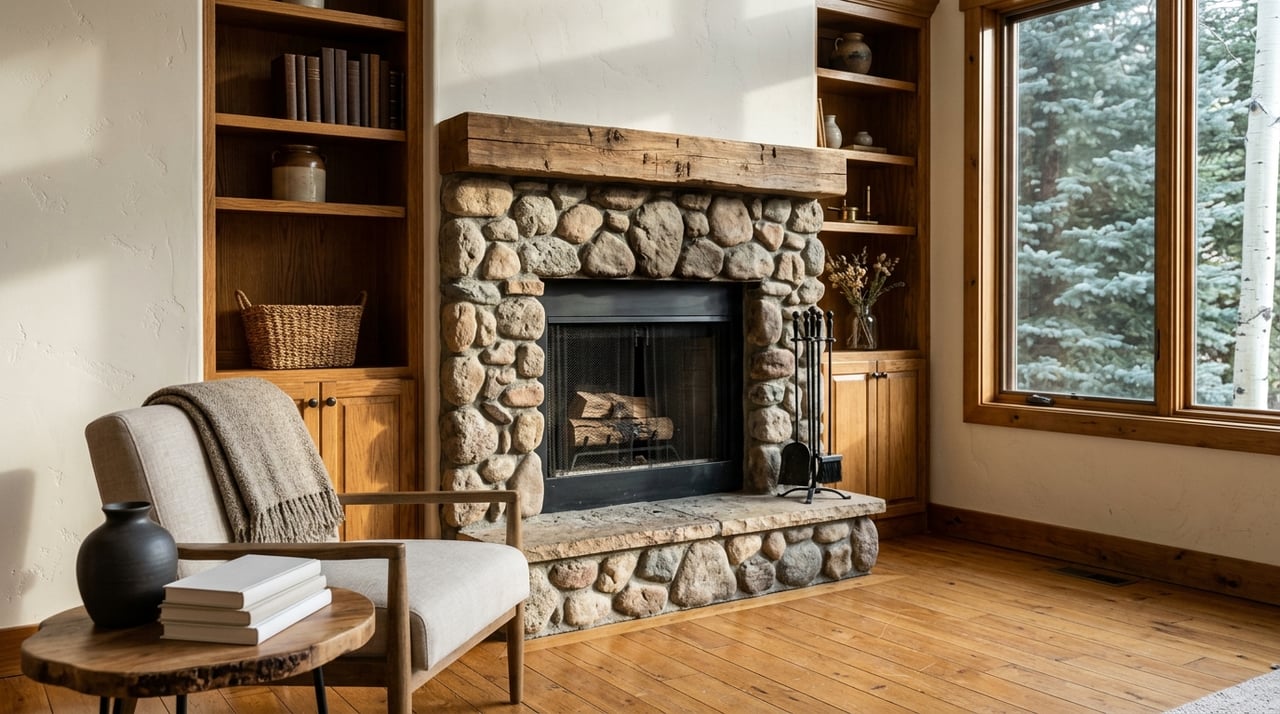
Details like original millwork, high ceilings, built‑ins, and historic flooring can be powerful. Preservation guidance encourages you to identify and retain these character‑defining features during any prep work. Review the National Park Service rehabilitation standards.
Systems and soundness
Appraisers, lenders, and insurers look for functional roofs, heating, plumbing, electrical, and dry basements or crawlspaces. Significant deferred maintenance will weigh on value. When comps are thin, appraisal shifts even more toward condition, size, and the cost approach. Learn how appraisers think about unique properties.
Historic status and rules
National Register status often appeals to buyers interested in history, but the National Register is generally honorary and does not by itself restrict what a private owner can change. Local ordinances can add review steps, so verify your home’s status early. Read the National Register FAQs.
Plan inspections and required disclosures
Get a pre‑list inspection
Older homes benefit from a seller‑ordered inspection to catch safety issues like electrical hazards, roof leaks, or moisture problems. Sharing the report can reduce renegotiations and help you control repair timing and scope. See why InterNACHI recommends pre‑listing inspections.
Radon disclosure in Colorado
Under SB23‑206, Colorado contracts include radon disclosure language. You must disclose known radon test results and any mitigation history, and provide the current CDPHE brochure. Be prepared to share reports or allow testing during the inspection period. Review the Colorado Division of Real Estate guidance.
Lead‑based paint for pre‑1978 homes
If your home was built before 1978, federal law requires you to disclose known lead information and provide the EPA/HUD pamphlet. Renovations that disturb paint must follow EPA RRP rules and certified practices. Keep records of any testing or safe‑work certifications. Explore the EPA’s lead resources.
Other targeted checks
- Chimney and fireplace inspection for active masonry or original stoves.
- Roof and attic review for snow load performance and ventilation.
- Sewer scope and, where applicable, well or septic checks.
- Moisture, wood‑rot, and pest surveys for peace of mind.
Permits and historic review
Confirm permits for past work and talk with the City if you plan exterior or structural changes. The City is advancing a Historic Preservation Plan, and staff can help you understand any local review steps that may apply. See the City’s preservation planning update.
Downtown’s National Historic District recognition adds to the area’s story and buyer interest. If your home relates to that history, document it for your listing. Read about the district designation.
Paperwork to prepare
Colorado uses commission‑approved forms that now incorporate radon language. Assemble your Seller’s Property Disclosure, any inspection and repair records, and radon or lead documents before you list. See the Division of Real Estate bulletin on updated forms.
Smart updates that preserve charm
Start with what to keep
Identify your home’s character‑defining features and protect them. Repair rather than replace when feasible. This approach preserves authenticity that buyers value. NPS rehabilitation standards offer a clear framework.
High‑impact, low‑intrusion ideas
- Deep clean and repaint using a sympathetic palette to brighten spaces without erasing original woodwork.
- Refinish historic floors and refresh built‑ins instead of covering them.
- Upgrade safety items like GFCI outlets, AFCI breakers, and electrical panels while keeping visible period fixtures when possible. Appraisers value documented safety and system updates.
- In kitchens and baths, improve function and surfaces without wiping out period proportions or original doors and hardware.
Windows and energy
Original windows often define a home’s look. Consider repair, weatherstripping, and storms before full replacement. If replacement is needed, document your rationale and contractor credentials to support buyer and appraiser confidence. Use NPS guidance as your reference point.
Safety when disturbing materials
When work could disturb old paint, insulation, or tile, follow EPA rules for lead and use certified contractors. Keep your clearance or post‑work testing on file. EPA lead guidance is a must‑read.
Pricing, marketing, and negotiation
Price with evidence
Blend neighborhood comps with a clear picture of your home’s condition and originality. For especially unique homes, a quick consult with a local appraiser before listing can help set expectations and reduce appraisal surprises. See how appraisers approach valuation. For regional context on subarea pricing, review the YVHA study’s Steamboat medians and trends. View the study.
Tell the home’s story
Lead your listing with provenance and tangible details. Short, factual notes about the era or builder, paired with quality photos of trim, mantels, built‑ins, and floors, help buyers connect the dots. If relevant, reference Downtown’s National Historic District recognition. Read the district overview.
Be transparent with condition
Share a pre‑list inspection summary and a maintenance ledger in your digital packet. Transparency builds trust and can shorten negotiations. InterNACHI outlines the benefits of seller inspections.
Use repairs and credits wisely
Fix high‑impact safety and function items before you hit the market, or price and disclose them with contractor bids attached. Appraisers and lenders respond well to documented, permitted work. More on appraisal expectations.
Downtown Steamboat seller checklist
- Order a seller pre‑list inspection and ask for a buyer‑friendly report format. Why it helps
- Triage safety and permit issues first, then cosmetic items.
- Collect permits, contractor invoices, service records, surveys, and any restoration documentation. City resources can help
- Prepare radon and lead materials. For pre‑1978 homes, gather any lead testing records and the EPA pamphlet. EPA lead rules | Radon guidance
- Schedule specialty checks as needed for chimneys, roofs, sewer, and moisture.
- Get 1 to 3 written bids for any larger repairs and decide on repair vs. credit.
- Create polished marketing assets: pro photography of character details, a floor plan, and a one‑page inspection summary.
- Align price with comps, condition, and uniqueness. Consider an appraiser consult for standout properties. How appraisers analyze value
- Confirm any local historic considerations with the City and document status clearly. Preservation planning update
- Use current Colorado forms, including updated radon language, and keep your disclosure packet ready before showings. Form update bulletin
Preparing and presenting a downtown Steamboat home with character is about pairing transparency with thoughtful preservation. Lead with story, back it up with documentation, and smooth the process with the right inspections and disclosures. If you want a pricing plan grounded in appraisal logic and a polished listing rollout, connect with Mitch Shannon to schedule a free consultation.
FAQs
What is the current market context for selling in Downtown Steamboat?
- A county study shows Steamboat’s 2024 median around $1.315M with signs of a more balanced market in 2025–2026, which supports pricing discipline and solid prep. See the study
Do I need to test for radon before selling in Colorado?
- You must disclose known radon results, mitigation history, and provide the state brochure under SB23‑206, so be ready to share past reports or allow testing during inspections. Review guidance
What lead‑based paint rules apply to my pre‑1978 home?
- You must disclose known lead information, give buyers the EPA/HUD pamphlet, and follow EPA RRP rules for any paint‑disturbing work; keep your records organized. EPA lead info
Does National Register status restrict what I can change on my house?
- National Register listing is generally honorary for private owners, while local ordinances may add review steps, so confirm your local status early. National Register FAQs
Should I replace original windows to improve efficiency before selling?
- Often no; repair, weatherstripping, and storms can deliver comfort while preserving character, and you can document any replacement decisions if they are necessary. NPS guidance