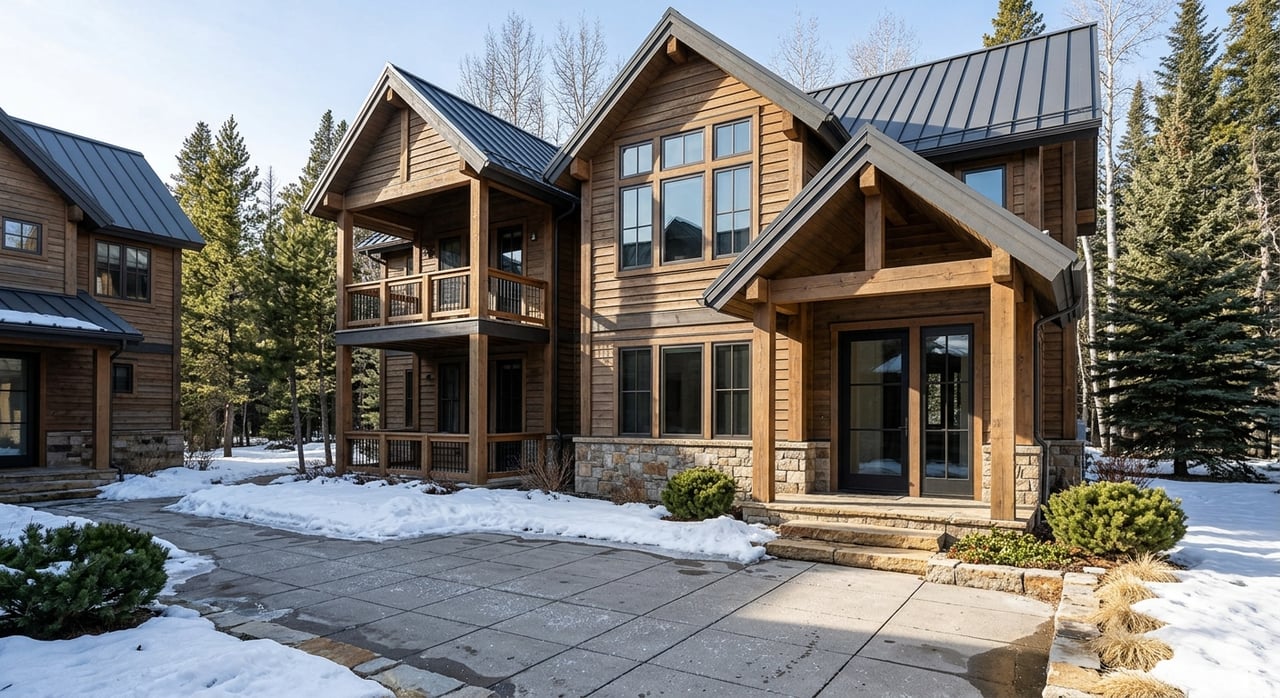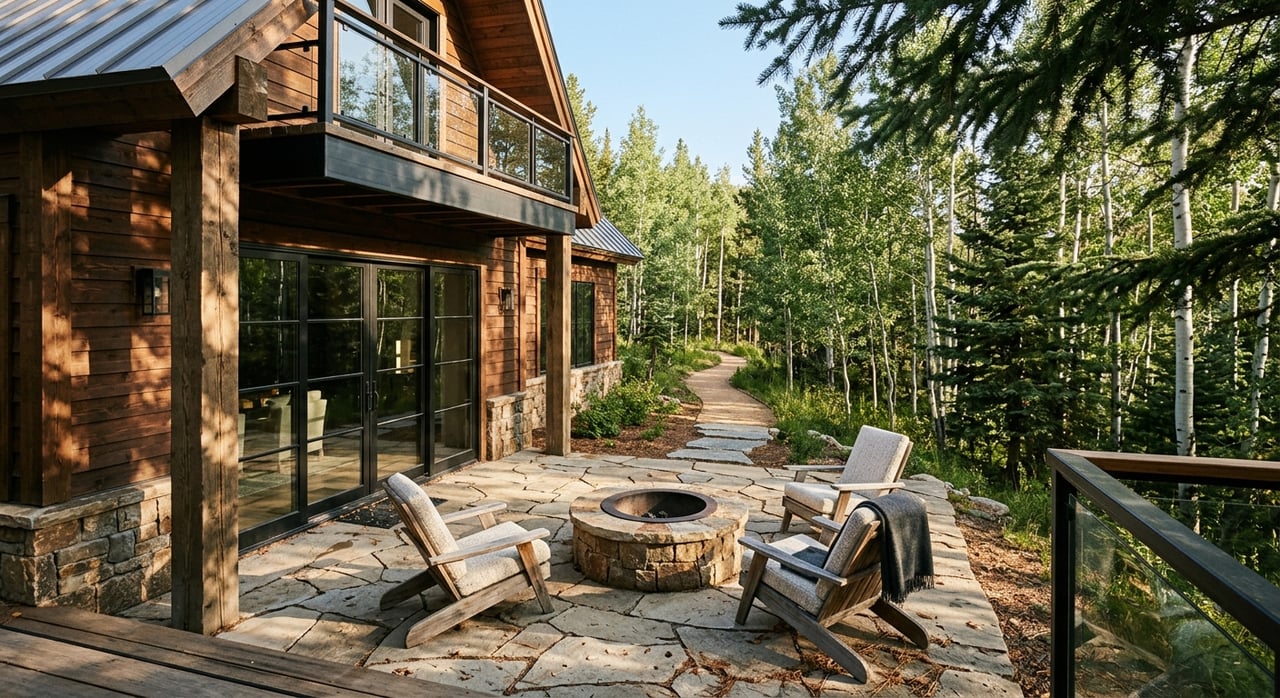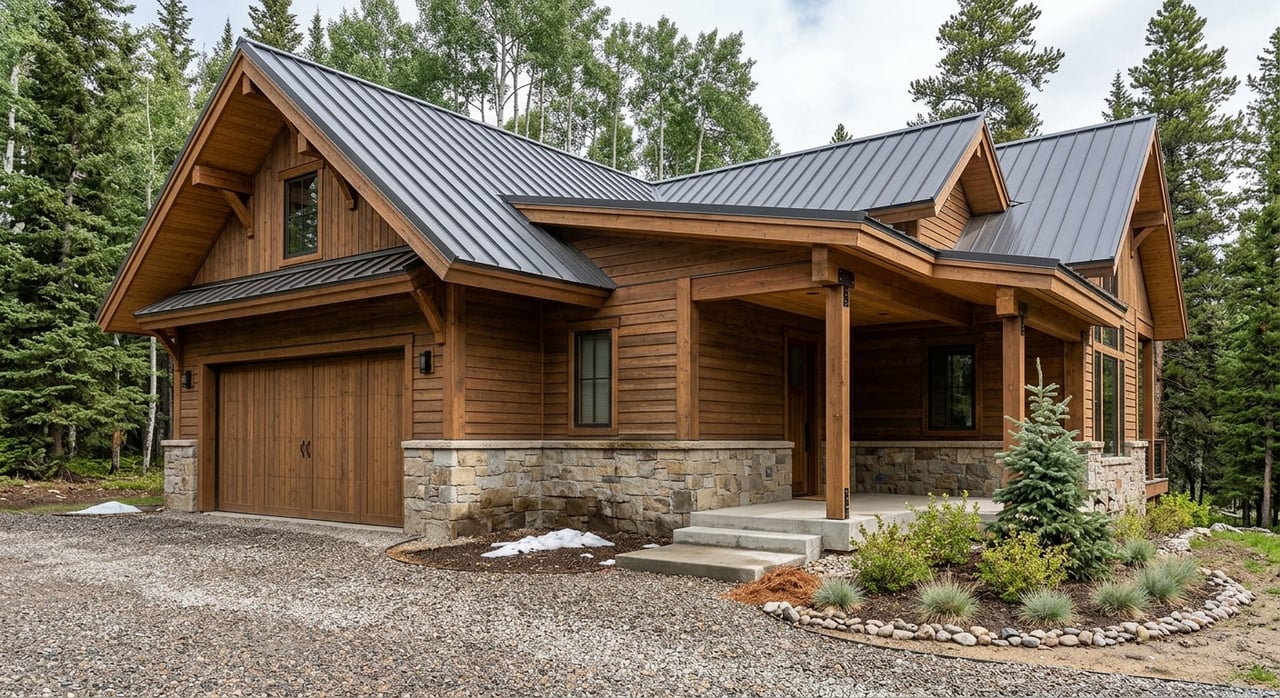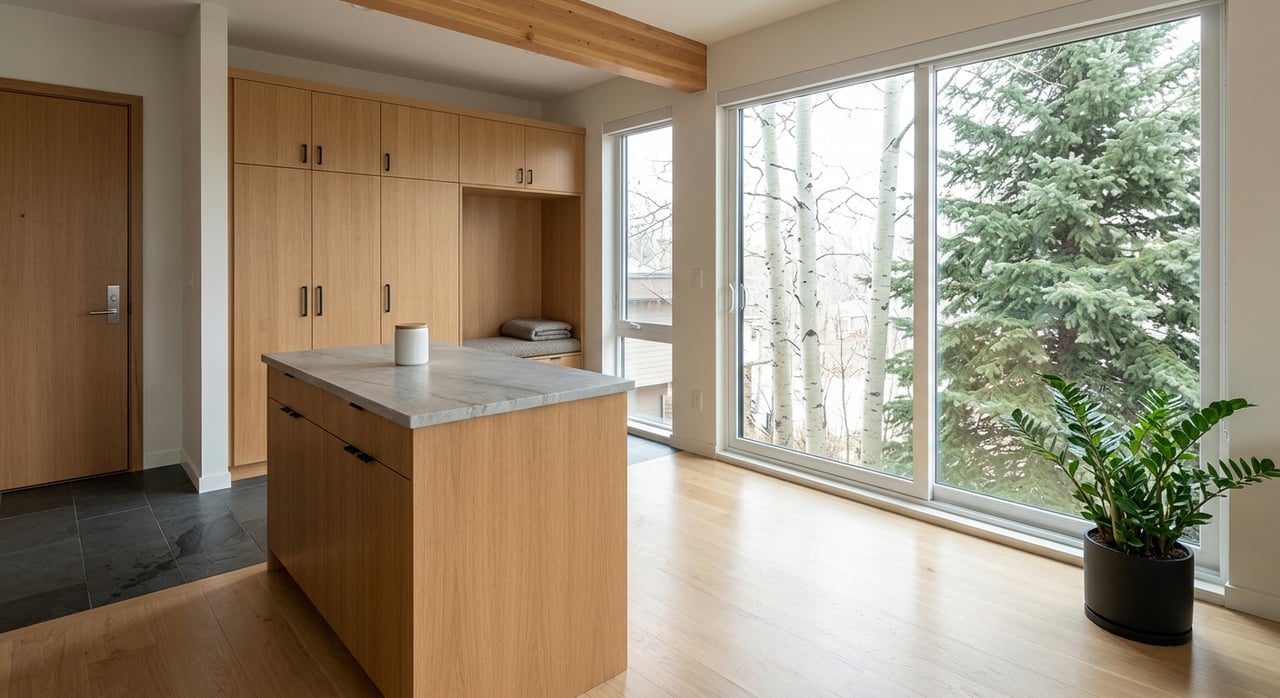
If you picture a mountain condo as a winter-only escape, Steamboat’s Mountain Area may surprise you. This part of Steamboat Springs is planned as a mixed-use district with housing, hospitality, commerce, and public access around the resort, which helps support a lifestyle that extends well beyond ski season. If you want a condo that feels useful in January, July, and the muddy shoulder months in between, the right choice comes down to more than lift access alone. Let’s dive in.
Why four-season use matters
The Mountain Area is designed to be active year-round, not just when the snow is falling. According to the City of Steamboat Springs Mountain Area Master Plan, the district is intended to balance housing, commerce, hospitality, and public access around the resort.
That bigger picture matters when you buy. A condo that works in all four seasons can feel more practical, more comfortable, and more consistent for your own use, whether you visit on weekends, stay for longer stretches, or use it as a primary home.
Steamboat’s climate also reminds you that four-season ownership is a real consideration. The resort base sits at 6,900 feet, downtown is at 6,695 feet, and Steamboat reports average snowfall of 307 inches in a typical year, so weather and access are part of everyday life in this area. At the same time, summer is very usable, with July and August averaging 64.5°F and 62.8°F, while spring can stay wet and snowy longer than some buyers expect.
Steamboat is more than ski season
One reason buyers focus on the Mountain Area is that the recreation calendar continues after winter. In summer, scenic gondola rides at Steamboat Resort open up hiking access and dining views over the Yampa Valley, while the Bike Park adds both downhill and cross-country riding with extended lift hours.
Beyond the resort, city trail infrastructure supports day-to-day use. Steamboat manages about 55 miles of trails, including the 7-mile Yampa River Core Trail and the 5.2-mile Spring Creek Trail, which helps make the area feel connected to warm-weather routines as well as winter recreation.
That said, shoulder seasons deserve respect. The city’s trail etiquette guidance tells users to stay off muddy trails until they dry out, which is a practical reminder that spring conditions can be messy. A condo that handles wet boots, bikes, layers, and changing weather well will usually serve you better over time.
Prioritize the right condo layout
When you are comparing condos, think about how the space works across a full year, not just during ski trips. A unit that feels efficient for a short winter stay can start to feel tight if you are also using it in summer and shoulder season.
A few layout features tend to matter most:
- A true second bedroom or flexible den for guests, remote work, or extra gear overflow
- A living and dining area that feels usable beyond a quick weekend stay
- An entry area that can manage boots, helmets, coats, skis, and bike gear without taking over the whole condo
This sounds simple, but it has a big impact on everyday comfort. If you plan to spend longer stretches in Steamboat, the small practical details often shape your experience more than a dramatic view or being a few steps closer to the lifts.
Storage matters almost as much as size
In mountain condos, square footage only tells part of the story. Storage can be just as important, especially if you want the property to stay livable through winter, spring mud season, summer riding, and fall shoulder season.
Official Steamboat lodging inventory commonly highlights amenities such as ski storage, covered parking, in-unit washer and dryer, fireplaces, balconies or decks, hot tubs, pools, shuttle service, and Wi-Fi in condo-style properties. You can see those common features in Steamboat lodging examples, and they offer a useful checklist when you compare buildings.
The key is not just whether these features exist, but how well they function for real ownership. Ask yourself whether there is enough lockable or dedicated storage for skis, boards, bikes, and bulky seasonal gear without sacrificing your main living space.
Think carefully about noise and activity
The Mountain Area is active by design. That energy is part of the appeal, but it is also something you should evaluate closely before you buy.
Because the district functions as a social hub, units near lift plazas, hot tubs, shuttle stops, parking areas, or event spaces may hear more activity. That can be true in ski season, and it can continue in summer when gondola rides and bike programming keep the base area busy.
This does not mean one location is better for everyone. It means you should match the building and unit position to the way you plan to use the condo. If you want easy access and energy, a more active spot may be a fit. If you value a quieter setting for longer stays, unit placement may matter as much as the building itself.
Check transit and daily access
Many buyers like the idea of using a Mountain Area condo without relying on a car for every trip. That can work in Steamboat, but only if the property has solid access to transit and nearby services.
Steamboat Springs Transit provides free bus service between the ski area and downtown, as well as many lodging, grocery, condominium, and entertainment locations. Seasonal route maps show service to the Gondola Transit Center and mountain-area condo stops including Ski Time Square, Alpine Ridge/Meadowlark, Whistler Village, Walton Creek/Deer Creek, and The Ponds.
The ski area is also about three miles southeast of downtown, according to Steamboat Resort. That makes transit access a practical part of four-season ownership, especially if you want easy movement between the mountain base and the rest of town.
Private shuttles can also help, but they vary by property. Steamboat notes in its first-timer guidance that many lodging properties offer shuttle service, yet the level of service is not universal. Before buying, confirm whether a shuttle exists, whether it runs year-round, and whether it is available to owners, guests, or both.
Look beyond recreation to everyday convenience
A condo that works all year should support ordinary life, not just vacation plans. That includes access to transportation, parking, storage, and nearby practical services.
One helpful example is the base area itself. Steamboat’s safety and responsibility page places Ski Patrol and UCHealth Urgent Care adjacent to the gondola, which can be a meaningful convenience for full-time residents, second-home owners, and visiting guests.
That kind of everyday practicality is easy to overlook when you are focused on views or finish level. But over time, convenience often becomes one of the biggest quality-of-life factors in a mountain property.
Compare HOA amenities with care
Shared amenities can add a lot of value, but they are not always equal from one building to the next. If your goal is true four-season use, look closely at which amenities remain useful after the snow melts.
Official Steamboat condo and townhome lodging examples often include shared hot tubs, pools, parking, shuttle service, fireplaces, balconies or decks, Wi-Fi, covered parking, ski storage, and in-unit laundry. In Steamboat condominium accommodations, examples include amenities such as heated pools, fitness centers, elevators, garage parking, walking paths, and bus-stop access.
But not every feature is available year-round. One official lodging listing notes that its pool and hot tub close after ski season until Memorial weekend, which is exactly why buyers should verify whether an amenity is seasonal, owner-only, or open all year.
A simple four-season condo checklist
As you compare Mountain Area condos, keep your focus on how the property will live across the full calendar. The best option for you may not be the one closest to the lifts.
Use these questions as a starting point:
- Is the parking deeded, covered, and practical in winter weather?
- Is there secure storage for skis, bikes, and bulky seasonal gear?
- Does the floor plan support longer stays, guests, or remote work?
- How close is the unit to the free bus and the Gondola Transit Center?
- Is any shuttle service included, and does it operate year-round?
- Which HOA amenities are seasonal versus available all year?
- Is the unit near places that may be busier or louder in winter or summer?
This kind of checklist helps you compare properties more objectively. It also keeps you focused on ownership experience, not just first impressions.
The best condo is the one that fits your use
In Steamboat’s Mountain Area, four-season value usually comes from balance. You want a condo that offers dependable access, practical storage, a layout that works in real life, and amenities that still matter in summer and shoulder season.
That is where local guidance can make a real difference. A careful comparison of building location, transit access, amenity details, and likely day-to-day usability can help you choose a property that feels right long after the first ski weekend.
If you are weighing condo options in Steamboat Springs, Mitch Shannon can help you compare locations, building features, and property fit with a practical, consultative approach.
FAQs
What makes a Steamboat Mountain Area condo good for four-season use?
- A strong four-season condo usually combines practical storage, a functional layout, dependable transit or shuttle access, winter-friendly parking, and HOA amenities that remain useful beyond ski season.
Why is storage so important in a Steamboat condo?
- In Steamboat, you may need space for skis, boots, helmets, bikes, outerwear, and muddy seasonal gear, so dedicated storage can affect everyday comfort almost as much as square footage.
Do Mountain Area condo amenities stay open year-round in Steamboat Springs?
- Not always. Some amenities, including certain pools and hot tubs, may be seasonal, so you should confirm what is open year-round before buying.
Can you live car-light in the Steamboat Mountain Area?
- It can be realistic if your building has strong access to the free Steamboat Springs Transit system or reliable shuttle service, but that level of access varies by property.
Is the closest condo to the lifts always the best choice in Steamboat?
- Not necessarily. The best fit is often the condo that balances access with storage, noise considerations, parking, transit, and year-round livability.