Are you wondering where your Stagecoach Lake HOA dues actually go? In mountain and lakeside communities, dues can vary a lot from one neighborhood to the next. You want clear answers before you buy or list, so you can budget with confidence and avoid surprises. This guide breaks down what dues typically cover near Stagecoach Reservoir, which local factors drive costs, and the exact documents to request so you know what you’re paying for. Let’s dive in.
What HOA dues often include
Common area upkeep
Most associations budget for routine care of shared spaces. This often includes landscaping, trail and open-space maintenance, repairs to any shared structures, and upkeep of lighting, signage, and fencing.
Roads and snow removal
In many Routt County communities, HOAs maintain private roads and shared parking. Dues commonly fund grading, paving, drainage work, and snowplowing. Snow is a major expense where roads are private.
Water, sewer, and utilities
Some Stagecoach-area HOAs run a community water system or manage shared wells and septic. Others do not. Trash or recycling collection may be handled through a bulk contract. Always verify whether utilities are included or owner-paid.
Recreation and lake access
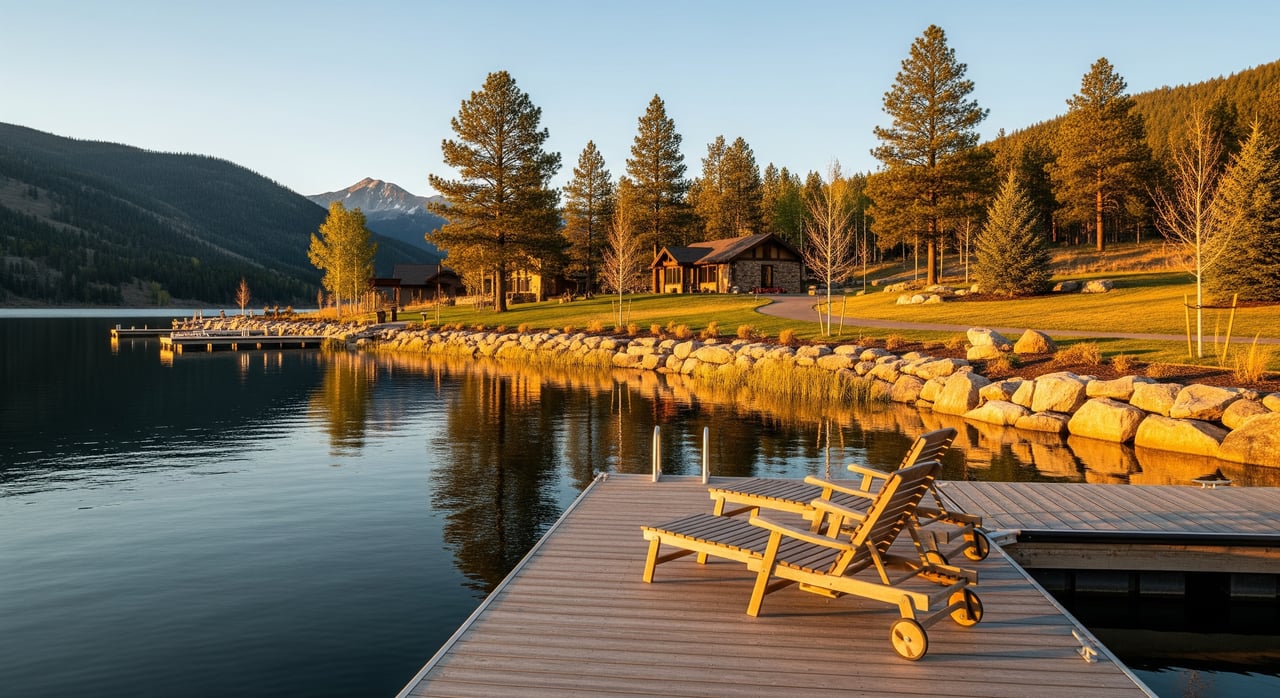
If your HOA owns or manages private shoreline amenities, dues may cover boat ramps, docks, beaches, storage areas, and related permits. Common recreation facilities, if present, also draw from the budget.
Insurance and risk management
Associations carry master insurance for common areas and liability. Policies vary in scope and limits. D&O coverage for the board is also typical. The policy type directly affects what insurance you need as an owner.
Management and administration
Dues generally cover professional management fees or stipends for a self-managed board’s administrative costs. Accounting, legal services, mailings, banking, software, and compliance are standard line items.
Reserves and capital repairs
Healthy budgets include planned contributions to a reserve fund. Reserves pay for future big-ticket items like road resurfacing, roof replacements on shared buildings, or dock repairs.
Environmental and safety compliance
Mountain communities often fund wildfire mitigation, erosion control, and environmental permits, especially where lake or shoreline features are involved. Safety signage and accessibility compliance can also appear in budgets.
Governance and enforcement
Dues support the cost of covenant enforcement, hearings, and community meetings. Legal expenses can arise for disputes or when updating governing documents.
Optional shared services
Some associations offer bulk internet or cable, security services, gated access, shuttle service, or seasonal community cleanups. These vary by neighborhood.
Stagecoach Lake factors to expect
Winter and roads
Routt County sees significant snowfall. If your roads are private, expect snow removal and ongoing road maintenance to be meaningful budget items. Freeze-thaw cycles add wear, which increases costs over time.
Water and wastewater
Rural plats in the Stagecoach/Oak Creek area can differ block by block. Some rely on private wells and septic, while others have a shared system or community utility. Inclusion or exclusion of water and sewer changes dues and risk.
Lake access and recreation
With Stagecoach Reservoir nearby, some HOAs manage private docks, ramps, or storage separate from the state park. When present, these amenities require maintenance, permitting, and insurance funded by dues.
Wildfire mitigation
Many Colorado mountain HOAs invest in defensible space and fuel-reduction projects. Community chipping days and ongoing mitigation are increasingly common and may be covered by regular dues or special assessments.
Short-term rentals and seasonal use
Communities with higher visitor traffic may see added costs for refuse, parking oversight, and amenity wear. Some HOAs adopt rental rules or fees. Administration and enforcement can influence dues.
Scale and management
Small associations often spread fixed costs across fewer owners, which can raise per-home dues. Professional management can improve services but usually increases operating expenses.
Common variations and watch-outs
- Master insurance scope: Coverage can be “bare walls,” “walls-out,” or more comprehensive. Your personal policy should fill any gaps.
- Road ownership: County-maintained public roads are plowed by the county. Private roads are typically the HOA’s responsibility.
- Water system operations: If the HOA runs a water or wastewater system, regulatory and operational costs add complexity and liability.
- Special assessments: Inadequate reserves or unexpected damage can trigger extra assessments, even in well-run communities.
- Enforcement and fines: Some HOAs apply strict enforcement. Understand rules and recent enforcement trends to avoid surprise costs.
Buyer and seller checklist
Documents to request
- Resale or estoppel certificate showing current dues, unpaid balances, and any pending special assessments.
- CC&Rs, bylaws, and rules to confirm what the HOA must maintain and what owners must do.
- Current operating budget and 2–3 years of financial statements to see spending patterns.
- Most recent reserve study and current reserve fund balance to gauge long-term planning.
- Board meeting minutes from the past 6–12 months for insight into upcoming projects or issues.
- Master insurance declarations and proof of D&O coverage to understand risk and your personal policy needs.
- Management agreement and contact info if the HOA uses a management company.
- Amenity list and common-area map, plus any easements or private road documentation.
- Any notices of assessments, fines, or pending litigation.
- Rental, occupancy, pet, and architectural review rules.
Key questions to ask
- What exactly do my dues cover? Can I see a line-item budget?
- Are the roads public or private? Who plows and pays for repairs?
- Does the HOA operate a water or wastewater system? Are there user fees beyond dues?
- What capital projects or special assessments are planned in the next 1–5 years?
- What is the reserve fund balance, and when was the last reserve study?
- What type and limits of master insurance does the HOA carry?
- Are there short-term rental restrictions or registration requirements?
- Is there any current or threatened litigation?
- How are covenants enforced, and what has enforcement looked like recently?
Budget insights to keep in mind
- Reserves vs. operating: Routine costs come from the operating budget. Long-term repairs should come from reserves. Low reserves can mean higher odds of special assessments.
- Dues variability: Newer or smaller HOAs can have fluctuating dues as infrastructure is completed or major items come due.
- Economies of scale: Larger communities may get better pricing on services, though total budgets can be higher when amenities are extensive.
Next steps
Every Stagecoach Lake HOA is different, so the best move is to review the resale packet and governing documents before you commit. Confirm road ownership, utility responsibilities, master insurance scope, and reserve health. If you want help interpreting what you find, or you need local context on specific Stagecoach neighborhoods, reach out for a second set of eyes.
If you are weighing a purchase or preparing to sell in the Stagecoach/Oak Creek area, connect with Mitch Shannon for local guidance grounded in data and experience.
FAQs
What do Stagecoach Lake HOA dues usually cover?
- Dues often fund road and snow maintenance, common-area care, master insurance, management, reserves, and any private lake or recreation amenities. Exact coverage varies by HOA.
Are snow removal and road maintenance typically included in Stagecoach?
- Often yes when roads are private, because Routt County usually maintains only public roads. Always verify road ownership and service responsibility in the documents.
Do HOA dues include water and sewer near Stagecoach Reservoir?
- Sometimes. Some plats use private wells and septic, while others have shared or community systems. Confirm whether utilities are HOA-provided or owner-paid.
How do HOA reserves affect my costs as an owner?
- Strong reserves reduce the risk of special assessments for big repairs. Low reserves can lead to sudden, extra costs for owners.
What insurance does the HOA carry, and what might I need personally?
- HOAs carry master policies for common areas and liability, but scope varies. Owners often need a personal policy tailored to the HOA’s coverage type and limits.
How can I confirm who handles plowing and road repairs?
- Ask for the line-item budget and road ownership details in the resale packet, and confirm whether roads are public or private. The HOA or county can verify status.
Are there rules on short-term rentals in Stagecoach-area HOAs?
- Many communities set their own rental rules or registration steps. Review the CC&Rs and rules to understand what applies to your property.